
Staring at a soaring electric bill while still feeling a trickle of warm air from your window air conditioner is a special kind of summer frustration. You know you need cooling, but you dread the energy cost. The good news? Modern, efficient window AC units are a game-changer. They’re not the energy hogs of decades past. This guide will cut through the noise and technical jargon to help you understand what makes a window unit efficient and how to choose the right one to stay cool and save money.
Why Efficiency Matters: It’s All About the “MPG” of Your AC
Think of your air conditioner like a car. A car’s efficiency is measured in Miles Per Gallon (MPG)—how far you can go on a gallon of gas. An air conditioner’s efficiency is measured by its CEER (Combined Energy Efficiency Ratio).
Here’s the simple analogy: The electrical power coming into your unit is the “gas.” The cooling output (in BTUs) is the “miles” it can travel. A higher CEER rating means your window AC gets more “cooling miles” out of every “gallon” of electricity. A unit with a CEER of 15 is significantly more efficient—and cheaper to run—than one with a CEER of 10, even if they are the same physical size. When shopping, the CEER rating is your single most important number for long-term savings.
⚠️ Critical Safety Disclaimer
Installing or servicing any electrical appliance involves risk. Always unplug the unit before cleaning, adjusting, or attempting any maintenance. Ensure your window and frame are structurally sound to support the weight. The unit must be installed securely and level to prevent it from falling. If you are unsure about the electrical requirements or installation, hire a licensed professional. Your safety is paramount.
Decoding the Specs: Your Step-by-Step Buying Guide
Walking into a store or browsing online can be overwhelming. Follow this logical process to find your perfect match.
Step 1: Find the Right Size (BTUs)
Bigger is NOT better. An oversized unit will cool the room quickly but shut off too fast, leaving the air clammy and not properly dehumidified. An undersized unit will run constantly, driving up your bill without ever getting comfortable.
- Small Room (100-300 sq ft): Ideal for a home office or small bedroom. Look for units in the 5,000 – 8,000 BTU range.
- Medium Room (300-550 sq ft): A standard bedroom or living room. You’ll likely need 8,000 – 12,000 BTUs.
- Large Room (550-1,000 sq ft): An open-concept space or large master bedroom. Consider 12,000 – 18,500 BTU models.
Pro Tip: Factor in sunlight, ceiling height, and kitchen heat. A sun-drenched room may need the next BTU level up.
Step 2: Hunt for the Highest CEER
Once you know your BTU range, compare the CEER ratings of models within it. By law, all new window air conditioning units must display this yellow EnergyGuide label. The higher the number, the more you save. Currently, the most efficient models boast CEER ratings of 15 and above.
Step 3: Evaluate Must-Have Features
- Programmable Timer: Set it to turn on before you get home or off after you fall asleep. This is a huge energy saver.
- Sleep/Eco Mode: Gradually reduces cooling and fan speed for comfort and efficiency overnight.
- Multiple Fan Speeds & a “Fan Only” Setting: Allows for circulation without cooling on mild days.
- Remote Control & Digital Display: For convenient adjustments without getting up.
- Easy-Install Kits: Look for side curtain panels that expand and seal tightly to minimize air leaks.
Efficiency Face-Off: Standard vs. High-Efficiency Models
| Feature | Standard Efficiency Unit (e.g., CEER 10) | High-Efficiency Unit (e.g., CEER 15) |
|---|---|---|
| Upfront Cost | Lower | Higher |
| Annual Operating Cost* | ~$100 | ~$65 |
| Lifespan Energy Cost | High | Substantially Lower |
| Environmental Impact | Higher Carbon Footprint | Lower Carbon Footprint |
| Best For | Very occasional use, tight initial budget | Regular seasonal use, maximizing long-term savings |
*Estimated cost based on national average electricity rate and 750 hours of cooling per year for a 10,000 BTU model. Source: U.S. Department of Energy.
Maintenance: Keeping Your Efficient Unit at Peak Performance
Even the best window AC will lose efficiency if neglected. Here’s your seasonal checklist:
- Clean the Filter Monthly: A clogged filter is the #1 cause of poor cooling and high energy use. Wash reusable filters with mild soap and water.
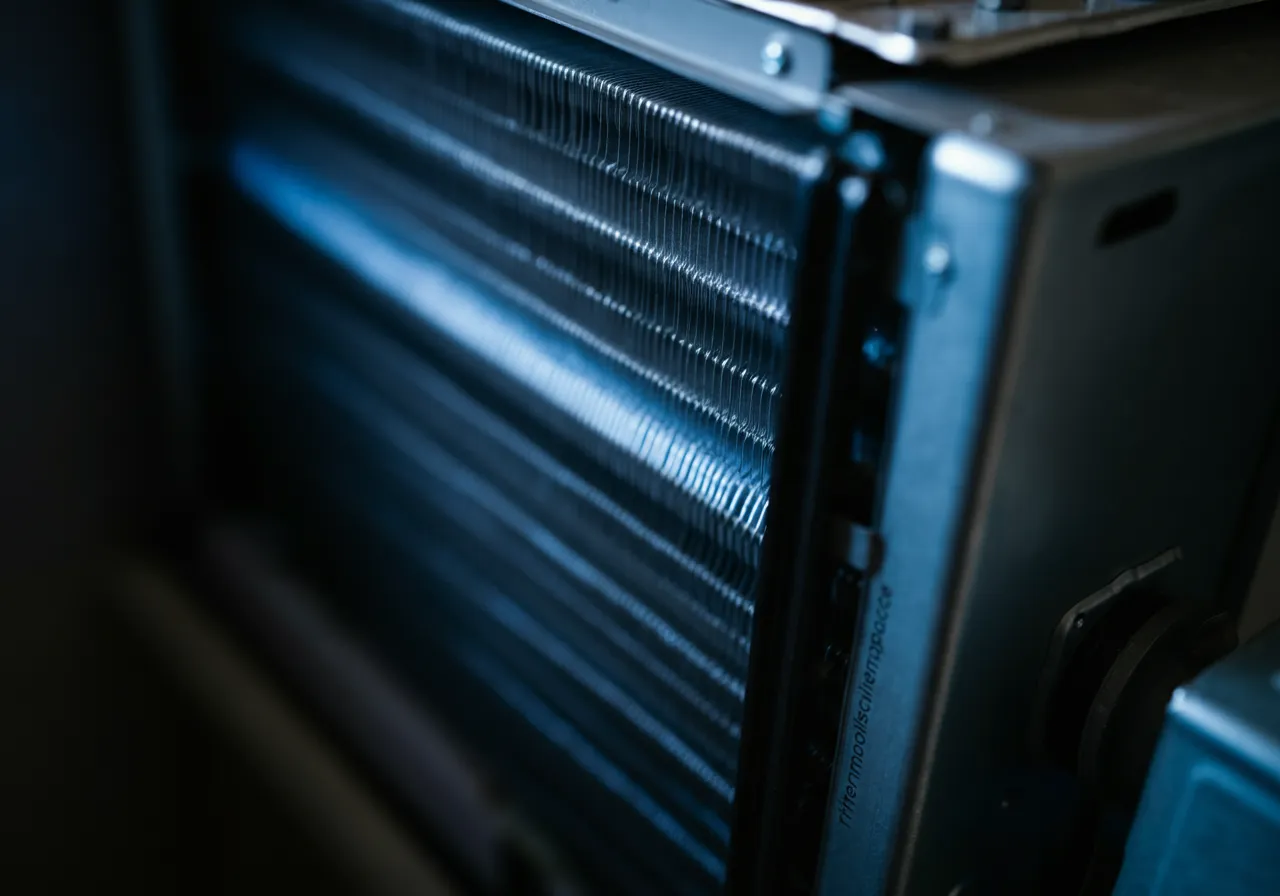
- Clear the Condenser Coils (Outside): At the start of the season, gently vacuum the metal fins on the back of the unit to remove dirt and lint.
- Ensure a Tight Seal: Check the side panels and weatherstripping each time you install it. Any gap lets cool air escape and hot air in.
- Winter Storage: Remove the unit, clean it thoroughly, and store it covered in a dry place.
Window AC Units FAQ
How many years should a good window AC last?
With proper maintenance and care, a quality, efficient window air conditioner should provide reliable cooling for 8 to 12 years. The key is cleaning the filter regularly and ensuring it’s installed level and secure.
Can I install a window AC unit myself?
Yes, most units are designed for DIY installation. Carefully follow the manufacturer’s instructions, use the included installation kit, and always have a helper to support the weight. The most critical steps are ensuring the window is locked securely on the bracket and that all side seals are expanded to block air leaks.
Is it worth repairing an old, inefficient window unit?
Rarely. If your old unit uses the phased-out R-22 refrigerant, repair costs will be very high. For a unit over 10 years old with a low CEER, investing in a new, high-efficiency model is almost always more cost-effective. The energy savings will often pay for the new unit within a few seasons.
Final Cool Thoughts
Choosing an efficient window air conditioner is a smart investment in your comfort and your wallet. By focusing on the correct BTU size and the highest CEER rating you can afford, you’re buying a unit that will deliver powerful cooling without the power bill shock. Pair it with simple, regular maintenance, and you’ve got a reliable system to beat the heat for summers to come.