
If you’re heating your home with an oil furnace that’s over 15 years old, you’re likely facing a familiar dilemma: skyrocketing fuel bills, inconsistent heat, and the nagging worry of a mid-winter breakdown. Replacing an aging oil heating system isn’t a small decision, but it’s often the most financially sound one. This guide will walk you through everything you need to know about professional oil furnace replacement services, from recognizing the signs you need a new one to understanding what the process entails.
How Your Oil Furnace Works (The “Campfire” Analogy)
Think of your oil furnace like a sophisticated, indoor campfire. The oil tank is your woodpile. The burner assembly is the person expertly lighting and tending the fire. The heat exchanger is the metal pot over the flames—it gets extremely hot but contains the combustion. Your ductwork is the breeze that carries the warmth from the pot throughout your entire home. Over decades, that “pot” (the heat exchanger) can develop microscopic cracks from constant heating and cooling, and the “fire-tender” (the burner) becomes less efficient. A new system rebuilds this entire process with modern, precision engineering, turning a smoky, wasteful campfire into a clean, controlled gas stove.
⚠️ Critical Safety Disclaimer
Oil furnace replacement is NOT a DIY project. It involves high-voltage electrical wiring, fuel oil lines, combustion gases (including deadly carbon monoxide), and complex mechanical adjustments. Incorrect installation can lead to fire, explosion, toxic fume release, or severe equipment damage. This article is for informational purposes to help you understand the process. All work must be performed by a licensed, insured HVAC professional familiar with local fuel and mechanical codes.
Signs It’s Time to Call for Replacement Services
How do you know if you need a repair or a full replacement? Look for these key symptoms:
- Age: Most oil furnaces have a lifespan of 15-25 years. If yours is in this range, replacement should be seriously considered.
- Rising Fuel Bills: The clearest sign of declining efficiency. You’re burning more oil for the same amount of heat.
- Yellow Burner Flame: A healthy oil flame should be crisp and white with a slight orange tip. A steady yellow flame indicates incomplete combustion and soot buildup.
- Frequent Repairs: If you’re calling for service every season, you’re throwing good money after bad.
- Unusual Smells or Soot: Persistent oily smells or soot around the furnace or on vents signal a serious combustion problem.
- Loud Operation: Increased rumbling, banging, or whining from the burner or blower motor.
The Professional Replacement Process: What to Expect
A professional replacement is a systematic, full-day project. Here’s what a qualified technician will do:
1. Initial Consultation and Load Calculation
A good contractor won’t just quote a new unit. They’ll perform a Manual J load calculation to determine the exact heating needs of your home, ensuring your new system is neither undersized nor oversized.
2. System and Fuel Line Inspection
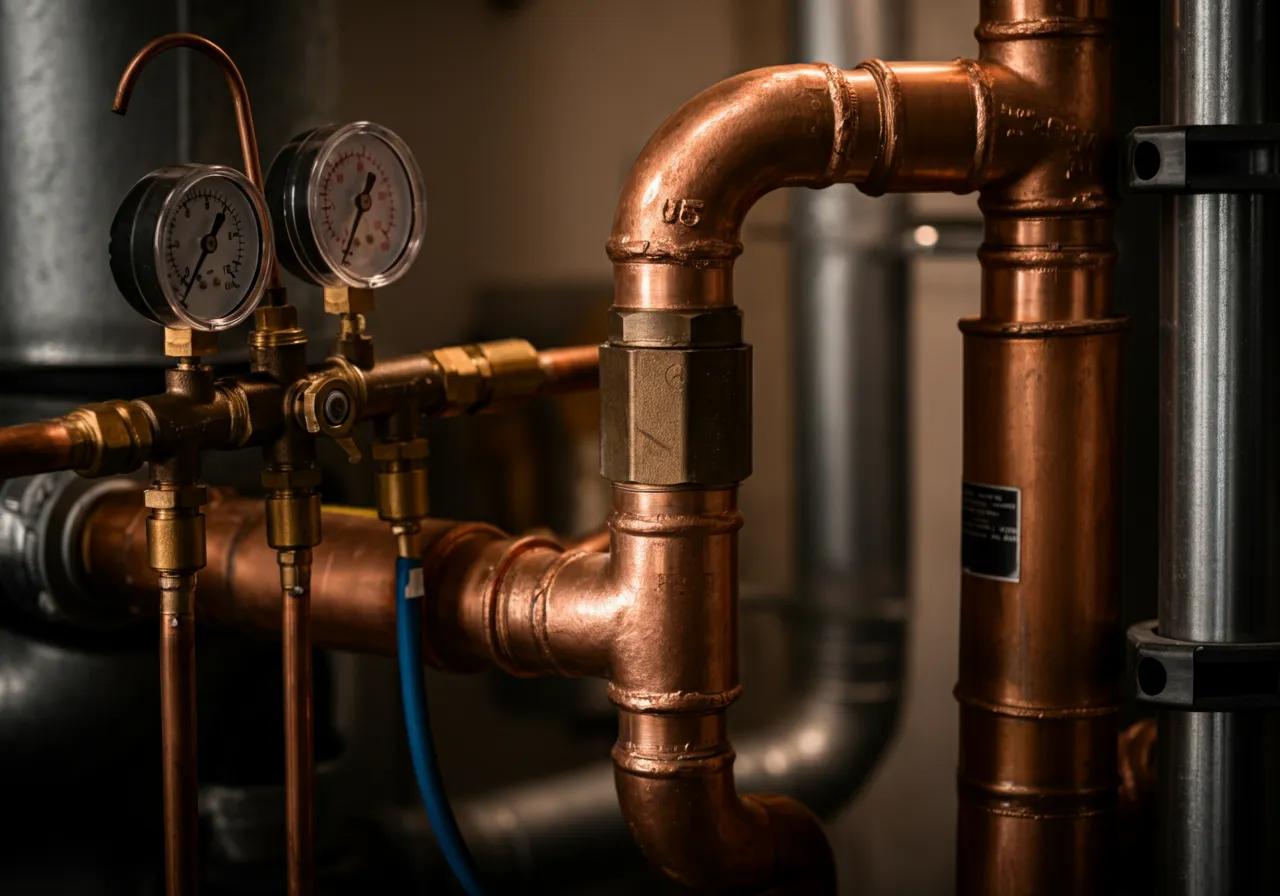
The technician will inspect your existing oil tank, fuel lines, chimney, and ductwork. These may need servicing or upgrading to work with the new, high-efficiency equipment.
3. Safe Removal of the Old Unit
The old furnace is carefully disconnected from electrical, fuel, and venting systems. The oil line is purged and capped. The old unit is then removed from your home.
4. Installation of the New Oil Heating System
The new furnace is positioned, leveled, and secured. All new connections are made: fresh fuel line, new vent piping (often PVC for modern sealed-combustion units), electrical, and duct connections. This is the stage where precision is critical.
5. Startup, Testing, and Balancing
The burner is primed, fired, and adjusted for optimal combustion efficiency (measured with a combustion analyzer). The technician will verify safe operation, check for carbon monoxide, test safety controls, and balance airflow to your ducts.
6. Homeowner Education
You’ll be shown how to operate the new thermostat, change the air filter, and what routine maintenance your new system requires.
Modern Oil Furnace Efficiency: AFUE Explained
Your old furnace might have had an Annual Fuel Utilization Efficiency (AFUE) of 60-70%. That meant 30-40 cents of every dollar you spent on oil went up the chimney. Modern condensing oil furnaces can achieve AFUE ratings of 86-95%. They extract so much heat from the combustion gases that the water vapor in the exhaust condenses (like droplets on a cold drink). This table shows the potential savings.
| Furnace Type | Typical AFUE Range | Key Feature | Best For |
|---|---|---|---|
| Standard Mid-Efficiency | 80% – 85% | Steel heat exchanger | Homes with older chimneys |
| High-Efficiency Condensing | 86% – 95% | Stainless steel heat exchanger, PVC venting | Maximizing fuel savings, new installations |
Frequently Asked Questions (FAQ)
Q: Should I switch from oil to gas or a heat pump instead of replacing my oil furnace?
A: This depends on local fuel costs and infrastructure. If natural gas is available at your street, a switch may be cost-effective long-term. Air-source heat pumps are excellent for moderate climates but often require a backup (like your existing oil furnace) for extreme cold. A professional energy audit is the best way to evaluate all options.
Q: How long does a full oil furnace replacement take?
A: A straightforward replacement by a skilled crew typically takes one full day (8-10 hours). If duct modifications, tank work, or chimney relining are needed, it may extend to a second day.
Q: What maintenance does a new oil furnace need?
A: Annual professional maintenance is non-negotiable for oil systems. A technician will clean the burner assembly, nozzle, fuel filter, and heat exchanger; test combustion efficiency; and inspect safety controls. You should change the air filter every 1-3 months.
Final Recommendation
Living with an inefficient, aging oil furnace is like driving a car that gets 10 miles per gallon—it’s a constant drain on your wallet and peace of mind. Investing in a modern, high-efficiency oil furnace replacement brings reliable, even heat and can slash your annual fuel consumption by 20-30% or more. Start by getting detailed estimates from 2-3 licensed HVAC contractors who specialize in oil heat. Look for those who perform a load calculation, provide a clear breakdown of costs, and explain the efficiency gains in detail. Your warmer, more affordable winters begin with that first call.