
Are you tired of fighting over the thermostat? Does your home office feel like a sauna while the living room is an icebox? If you’re dealing with a hot spot, a room addition without ductwork, or simply want to stop cooling the entire house for one occupied room, I’ve got the solution you’ve been sweating over. Let’s talk about single zone mini split AC units.
What is a Single Zone Mini Split System?
In my 20+ years in HVAC, I’ve installed hundreds of these systems. Think of a single zone mini split like a dedicated personal assistant for one room’s climate. Unlike a central air system that pushes air through a maze of ducts from one big unit, a mini split has two main parts: a quiet outdoor compressor/condenser and one indoor air-handling unit mounted on your wall, ceiling, or floor. A small conduit containing power and refrigerant lines connects them through a small hole in your wall. No ducts needed.
How It Works: The Refrigerant Highway Analogy
Let’s break down the magic without the jargon. Imagine refrigerant as a fleet of tiny taxis.
- The Compressor (Outdoor Unit): This is the taxi depot. It pressurizes the refrigerant (the taxis), turning it into a hot, high-pressure gas.
- The Condenser Coil (Outdoor Unit): The taxis (hot gas) release their passenger—heat—to the outside air through these coils, cooling down and becoming a liquid.
- The Line Set (The Road): This insulated copper tubing is the highway the taxis travel on between the indoor and outdoor units.
- The Expansion Valve (Indoor Unit): Think of this as a narrow toll booth. It drastically reduces the pressure of the liquid refrigerant, making it extremely cold as it enters the evaporator coil.
- The Evaporator Coil & Blower (Indoor Unit): Your room’s warm air is blown over this super-cold coil. The refrigerant taxis pick up the heat from your room’s air and carry it back outside. The now-cooled air is circulated back into your room.
This cycle repeats, providing precise, efficient cooling (and often heating) directly where you want it.
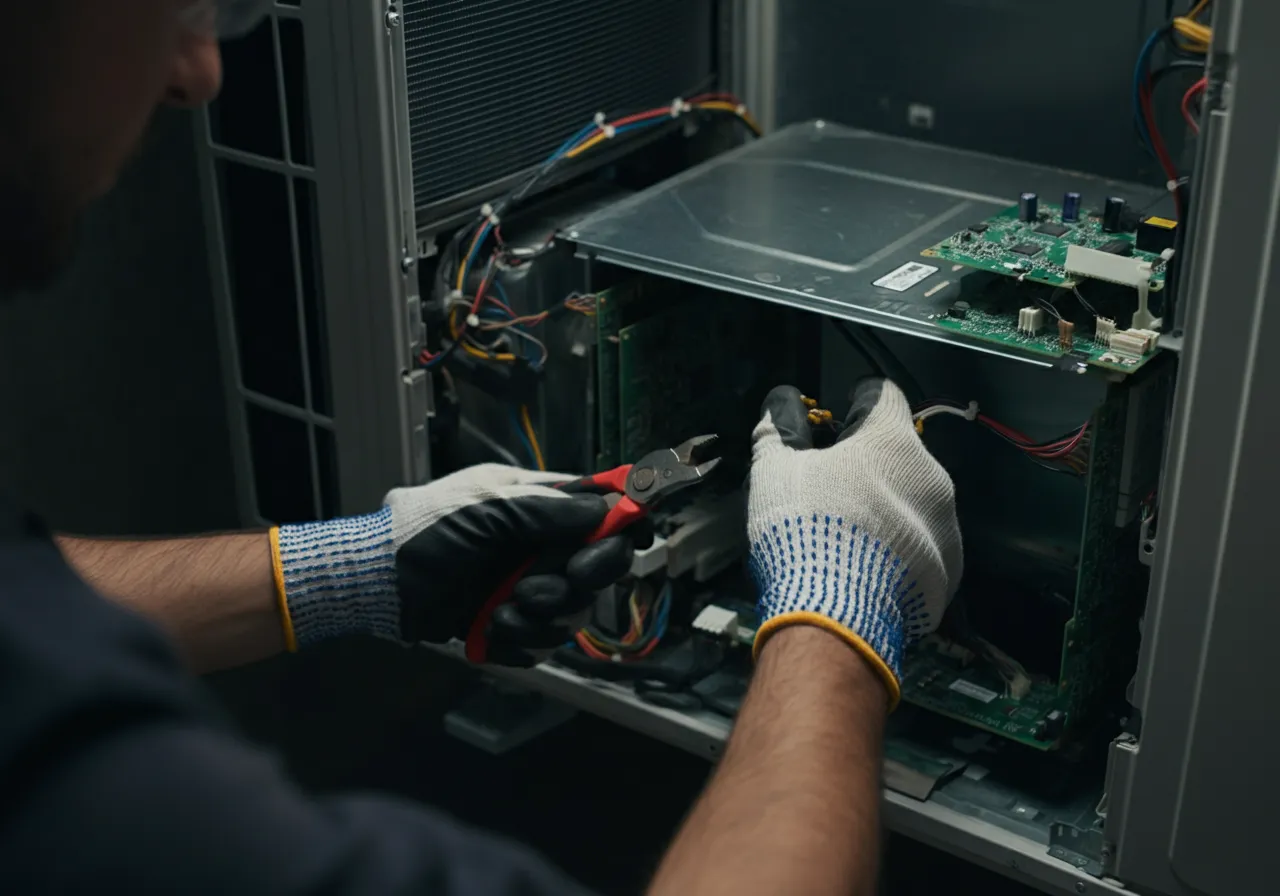
⚠️ Critical Safety Disclaimer
This article is for informational purposes only. Installing or servicing a ductless mini split system involves high-voltage electricity, pressurized refrigerant lines, and working at heights. This is NOT a DIY project for homeowners. Incorrect installation can lead to:
- Electrical shock or fire hazard.
- Refrigerant leaks, which are harmful to the environment and can cause system failure.
- Voided manufacturer warranties, which require professional installation.
- Reduced efficiency and premature system breakdown.
Always hire a licensed, insured, and EPA-certified HVAC professional for installation, maintenance, and repair. Your safety and the performance of your investment depend on it.
Why Choose a Single Zone Mini Split? Pros and Cons
Is a ductless mini-split the right fit for your situation? Here’s my honest field assessment.
The Major Advantages
- Targeted Comfort & Zoning: Cool or heat only the room you’re using. No more wasting energy on empty spaces.
- High Efficiency: Duct losses account for more than 30% of energy consumption in central systems, according to the U.S. Department of Energy. By eliminating ducts, mini splits are incredibly efficient, leading to lower utility bills.
- Flexible Installation: Perfect for room additions, garages, sunrooms, or older homes without existing ductwork. The line set only needs a 3-inch hole.
- Quiet Operation: The loudest part (the compressor) is outside. The indoor unit operates at a whisper.
- Heat Pump Functionality: Most models are “heat pumps,” meaning they provide both cooling and very efficient electric heating, often down to sub-zero temperatures.
The Considerations
- Upfront Cost: The equipment and professional installation for a quality single-zone system is a significant investment, often comparable to a mid-range window unit installation for the whole house.
- Aesthetic Impact: The indoor unit is visible on your wall or ceiling. While sleek, it’s not invisible.
- Professional Installation is Mandatory: As stressed in the disclaimer, this is not a box you can plug in yourself.
Single Zone Mini Split vs. Other Cooling Options
| Feature | Single Zone Mini Split | Central Air Conditioning | Window AC Unit | Portable AC Unit |
|---|---|---|---|---|
| Installation | Professional required (permanent) | Professional required (complex) | DIY (temporary) | DIY (temporary) |
| Efficiency | Very High (No duct losses) | High (but with duct losses) | Low to Moderate | Low (exhaust hose inefficiency) |
| Zoning / Targeted Cooling | Excellent (One room) | Poor (Cools whole house) | Good (One room) | Fair (One room, but bulky) |
| Noise Level | Very Quiet (indoor) | Quiet (indoor) | Loud | Loud |
| Heating Capability | Yes (Heat Pump) | Only if paired with a furnace | Rarely | Some models |
| Aesthetic Impact | Wall/ceiling unit (sleek) | Hidden (vents only) | Blocks window view | Takes up floor space, hose to window |
Essential Maintenance Tips From a Pro
To keep your system running smoothly for 15+ years, follow this simple homeowner maintenance routine. Always turn the system off at the breaker before any cleaning.
- Clean the Air Filters Monthly: This is the #1 cause of poor performance. Slide out the filters from the indoor unit, vacuum them, and wash with mild soap and water. Let them dry completely before reinserting.
- Keep the Outdoor Unit Clear: Ensure at least 2 feet of clearance around the outdoor condenser from plants, leaves, and debris. Gently rinse the fins with a garden hose (not a pressure washer) at the start of each season.
- Check the Drain Line: Ensure the condensate drain line from the indoor unit is not clogged. You can pour a cup of vinegar through the drain pan access to keep it clear.
- Schedule Professional Service: Have an HVAC tech perform a full inspection, check refrigerant levels, electrical connections, and clean the coils every 1-2 years.
Frequently Asked Questions (FAQ)
How much does it cost to install a single zone mini split?
For a complete professional installation of a quality single-zone heat pump system, most homeowners can expect a total cost between $3,000 and $5,500. This varies widely based on brand, system capacity, labor rates in your area, and installation complexity (like running lines between floors). Get multiple detailed quotes.
Can I install a mini split myself to save money?
I strongly advise against it. While DIY kits exist, the process requires specialized skills: properly evacuating and charging refrigerant lines with precise measurements, handling high-voltage electrical connections, and ensuring a vacuum-tight seal. A mistake can ruin the $2,000+ compressor instantly and void all warranties. The professional installation cost is for expertise and long-term reliability.
How long does a ductless mini split last?
With proper professional installation and regular maintenance, a high-quality single zone mini split system can easily last 15 to 20 years. The key is keeping the filters clean and having a professional service it periodically to maintain efficiency.
The Bottom Line
A single zone mini split AC unit is a fantastic, efficient solution for solving specific comfort problems. It’s the gold standard for adding climate control to a room without ducts, creating a personalized comfort zone, or efficiently heating and cooling a small home. While the initial investment is higher than a window unit, the long-term savings on energy bills, quiet operation, and year-round comfort make it a smart choice for the right application. Your first and most important step? Finding a trustworthy, qualified HVAC contractor to assess your needs and handle the installation.