
You dread opening your summer electric bill. Your old air conditioner groans and strains, running non-stop just to keep your home mildly comfortable. It feels like you’re paying a fortune for lukewarm air. If this sounds familiar, you’re not just fighting the heat—you’re fighting an inefficient machine. Upgrading to a modern, high SEER split AC unit is one of the most impactful home improvements you can make for comfort and savings. Let’s break down what that means for you, without the confusing sales jargon.
SEER Explained: It’s All About Getting More Bang for Your Buck
SEER stands for Seasonal Energy Efficiency Ratio. In simple terms, it’s the AC’s miles-per-gallon rating. Think of it this way: your old clunker AC might get 10 MPG (a low SEER like 10 or 13). It guzzles expensive energy (gasoline) to do its job. A new high-efficiency model is like a modern hybrid—it might get 20 MPG (a high SEER of 18 or more). It uses far less energy to travel the same distance, or in this case, remove the same amount of heat from your home.
Every unit of electricity your AC consumes is turned into cooling power. A higher SEER number means the system is engineered to squeeze more cooling out of every watt. This is achieved through better components: a variable-speed compressor that adjusts its effort like a car’s cruise control, a larger coil (the “radiator”) for more efficient heat exchange, and a smart thermostat that manages it all.
⚠️ Critical Safety Disclaimer
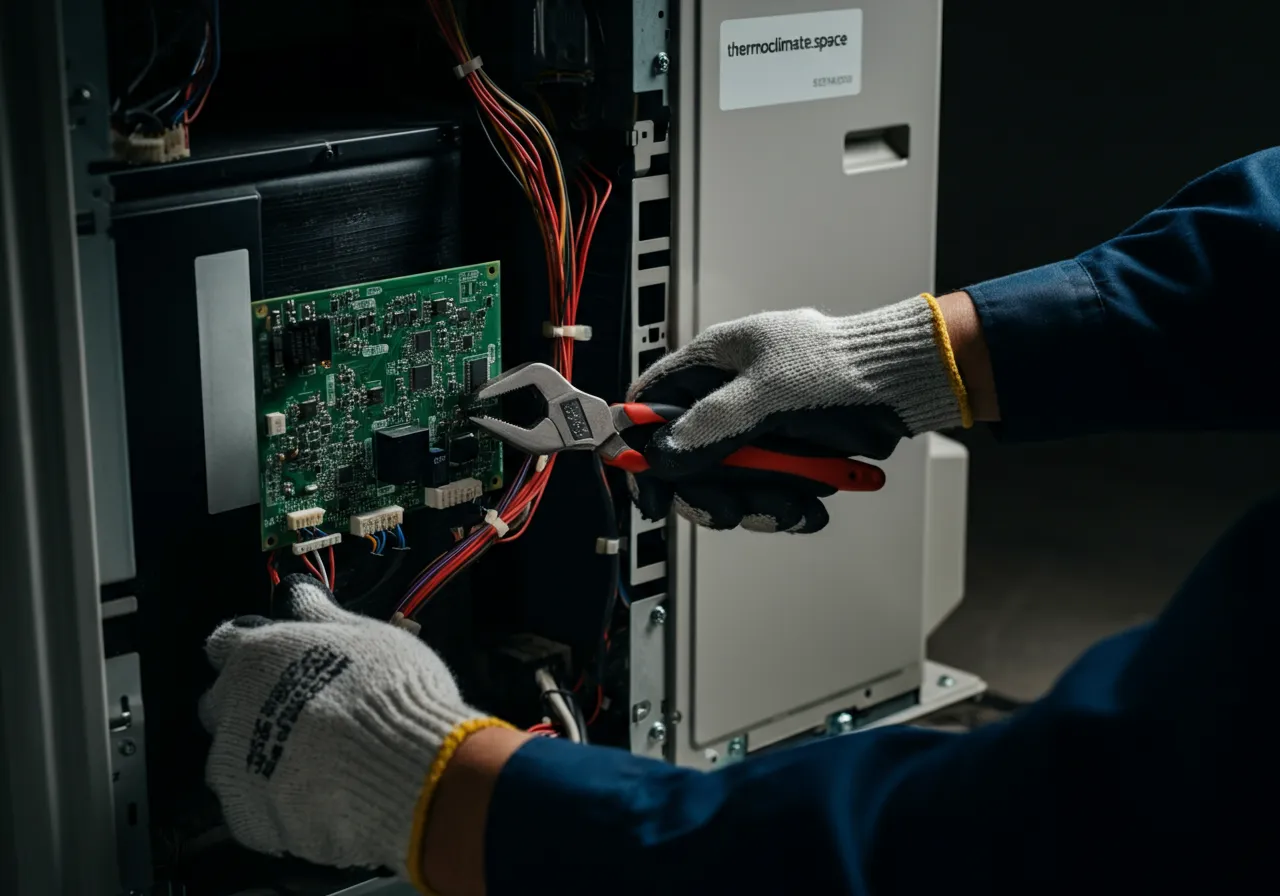
This article is for informational purposes to help you make an educated decision. Installing or servicing a split-system air conditioner involves high-voltage electricity, pressurized refrigerant lines, and complex electrical components. This is NOT a DIY project. Only a licensed, insured HVAC professional should handle the installation, charging, and commissioning of your new system. Incorrect installation can void warranties, lead to catastrophic equipment failure, create electrical fire hazards, or even cause refrigerant poisoning.
Why High SEER Split Systems Are a Game-Changer
Unlike replacing a window unit, installing a new split system (with an outdoor condenser and indoor air handler) is a significant investment. Here’s what makes the higher upfront cost of a high SEER model pay off.
The Tangible Benefits You’ll Feel (and See)
- Substantially Lower Utility Bills: This is the headline. Upgrading from a SEER 13 to a SEER 18 system can reduce your cooling costs by 20-30% or more. That savings compounds every single summer for the 15+ year life of the unit.
- Superior Comfort and Quiet Operation: High SEER units often use variable-speed technology. Instead of the jarring “ON-OFF” cycle of old units, they ramp up and down smoothly. This eliminates hot/cold spots, provides more consistent humidity control, and runs so quietly you might forget it’s on.
- Increased Home Value & Modern Rebates: Energy efficiency is a major selling point. Furthermore, many utility companies and government programs offer rebates for installing high-efficiency equipment, directly offsetting your cost. You can search for current incentives on the ENERGY STAR Rebate Finder.
- Environmental Friendliness: Using less electricity reduces your carbon footprint. Most new high-SEER systems also use R-410A or the newer R-32 refrigerant, which are more environmentally friendly than the phased-out R-22.
The Realistic Considerations
- Higher Initial Investment: The more efficient the unit, the higher the purchase price. The key is to calculate the payback period—how many years of energy savings it takes to recoup the extra cost.
- Installation is Paramount: A high SEER system’s performance is only as good as its installation. Proper sizing (Manual J Load Calculation), precise refrigerant charging, and optimal airflow are non-negotiable. A cheap install on a premium unit will waste its potential.
- Compatibility: Sometimes, your existing indoor coil or air handler may not be compatible with the newest outdoor units. Your HVAC contractor will advise if a full system changeout is necessary for maximum efficiency.
Choosing the Right High SEER Unit: A Step-by-Step Guide for Homeowners
Your role isn’t to be the technician, but to be an informed partner. Here’s how to navigate the process.
Step 1: Get a Proper Load Calculation (Manual J)
Do not let anyone “guess” the size of your new AC. An oversized unit will short-cycle (turn on/off too frequently), wasting energy and failing to dehumidify. An undersized unit will run constantly and never keep up. A true professional will perform a Manual J calculation, which factors in your home’s square footage, insulation, windows, and local climate to determine the exact capacity (in tons) you need.
Step 2: Understand the SEER Tiers and Your Climate
SEER ratings are a spectrum. Here’s a quick reference:
| SEER Range | Classification | Best For |
|---|---|---|
| 14 – 15 | Standard Efficiency | Minimum legal standard in many regions; budget-focused replacements. |
| 16 – 17 | Better Efficiency | Good balance of cost and savings for moderate climates. |
| 18 – 21 | High Efficiency | Excellent savings for hot climates. Where most rebates kick in. |
| 22+ | Ultra/ Premium Efficiency | Maximum savings, often with advanced features. Ideal for very hot climates or homeowners prioritizing top-tier performance. |
Step 3: Get Multiple, Detailed Quotes
Ask for written proposals from 2-3 licensed contractors. The quote should include:
- Exact model numbers of outdoor and indoor units.
- Confirmed SEER and efficiency ratings.
- Itemized cost for equipment, labor, and any ductwork modifications.
- Warranty details (both manufacturer and labor).
- A clear outline of the installation process.
Compare the value, not just the bottom-line price. The cheapest quote often cuts corners that will cost you later.
Step 4: Focus on the Installation Day
A proper install for a high-efficiency split AC system should include: vacuuming the refrigerant lines to remove moisture/air, precise refrigerant charge according to subcooling/superheat (not just pressure), verifying correct airflow across the indoor coil, and a thorough system test and demonstration for you.
Frequently Asked Questions (FAQ)
What is a good SEER rating for a new split AC?
Today, a SEER of 16 or higher is considered a very good, efficient system. Aim for at least an 18 SEER unit if you live in a hot climate like the South or Southwest, as the energy savings will be most dramatic. The national minimum standard is 14 SEER, but many regions have higher requirements.
How much can I really save with a high SEER air conditioner?
Savings depend on your old unit’s efficiency, local electricity rates, and climate. A common rule of thumb: for each point you increase the SEER rating, you can expect about a 5-7% improvement in efficiency. Going from a SEER 10 to a SEER 18 could easily cut your cooling bill in half.
Does a higher SEER AC cool my home better?
It cools more *efficiently*, which often translates to more *comfortably*. The advanced technology in high-SEER systems, especially variable-speed fans and compressors, provides more consistent temperatures and better humidity removal than the jarring on/off operation of a low-efficiency unit. The capacity (tonnage) determines how much heat it can remove; the SEER determines how much electricity it uses to do that job.
The Bottom Line
Investing in a high SEER split-system air conditioner isn’t just about buying a new appliance; it’s about upgrading your home’s comfort infrastructure. While the initial cost is higher, the long-term payoff in lower energy bills, enhanced comfort, and increased home value is substantial. Your first and most important step is to find a reputable, licensed HVAC contractor who will properly size and install the system. Do that, and you’ll enjoy cool, quiet, and affordable comfort for years to come.