
You know the feeling. You dread opening your utility bill in the peak of summer or the dead of winter. Your system seems to run constantly, yet some rooms are still too hot or too cold. If this sounds familiar, your HVAC system isn’t just failing to keep you comfortable—it’s likely operating at a dismal efficiency level, turning your hard-earned money directly into wasted energy. Upgrading to a high-efficiency HVAC system is one of the most impactful home improvements you can make. Let’s break down what that means, how it works, and what you need to know before you invest.
Safety Disclaimer: Your #1 Priority
Warning: HVAC systems involve high-voltage electricity, pressurized refrigerant lines, and combustion components (in furnaces). This article is for informational purposes to help you make an educated decision. The installation, repair, and maintenance of these systems should only be performed by licensed, insured HVAC professionals. Incorrect handling can lead to severe electrical shock, refrigerant burns, fire, carbon monoxide poisoning, or voided warranties.
The Heart of the Matter: What Makes an HVAC System “High-Efficiency”?
Think of your old HVAC system like a car with a carburetor from the 1970s. It gets the job done, but it gulps fuel (energy) and struggles to run smoothly at different speeds. A modern high-efficiency unit is like a modern fuel-injected car with a sophisticated computer. It precisely meters its “fuel,” adapts its output to the exact need, and wastes almost nothing.
The key metric for air conditioners and heat pumps is the SEER rating (Seasonal Energy Efficiency Ratio). For furnaces, it’s the AFUE rating (Annual Fuel Utilization Efficiency).
- SEER: Think of it as miles per gallon for your AC. The higher the number, the more cooling you get per watt of electricity. The federal minimum is 14 SEER, but high-efficiency models start at around 16 SEER and go up to 26+ SEER.
- AFUE: This is a percentage that shows how much of the fuel (gas or oil) is converted into usable heat. An 80% AFUE furnace loses 20 cents of every fuel dollar out the flue. A 96% AFUE high-efficiency furnace loses only 4 cents.
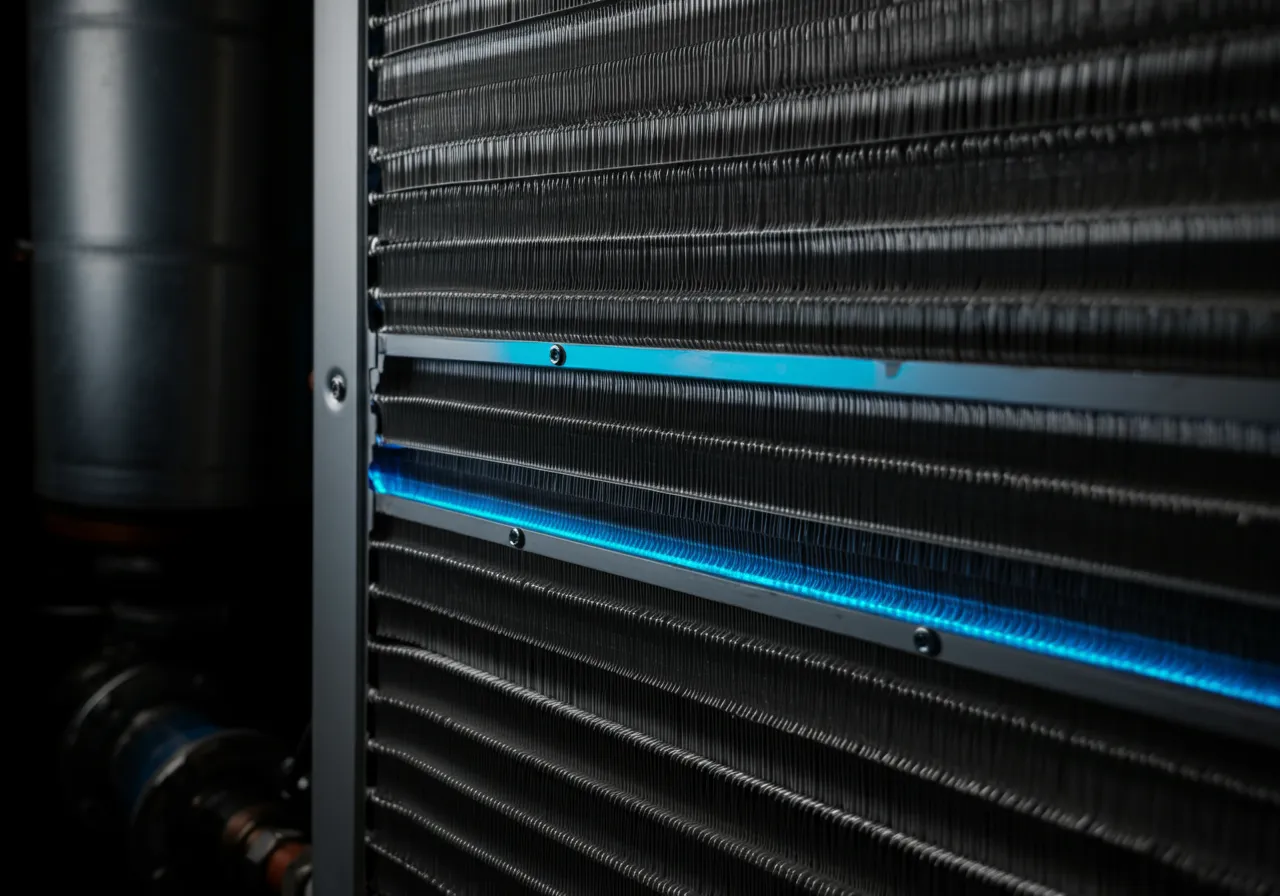
The magic happens through better technology: variable-speed compressors and blowers that ramp up and down instead of just “on/off,” advanced coil designs for better heat transfer, and sophisticated electronic controls that manage everything optimally.
Breaking Down the Benefits: More Than Just Lower Bills
While slashing your energy consumption is the headline, a high-performance HVAC system offers a suite of improvements you’ll feel every day.
1. Dramatic Energy Savings
This is the big one. Upgrading from a 10 SEER AC to an 18 SEER unit can cut your cooling costs by nearly 40%. Similarly, jumping from an 80% to a 96% AFUE furnace can reduce heating costs by up to 20%. These savings compound year after year, making the system pay for itself over time.
2. Superior Comfort and Quiet Operation
Old systems are noisy and blast cold or hot air in short, intense bursts, leading to temperature swings and drafts. A variable-speed system runs more often but at a lower, quieter capacity. It gently removes humidity in summer and provides consistent, even heat in winter, eliminating hot and cold spots.
3. Increased Home Value and Modern Reliability
A new, efficient HVAC system is a major selling point. It shows buyers the home is updated and will be cheaper to maintain. You also get the latest refrigerants (like R-410A, phasing to new options like R-32), improved corrosion resistance, and a full manufacturer’s warranty, giving you peace of mind.
4. Environmental Impact
Using less energy directly reduces your home’s carbon footprint. It’s a win for your wallet and the planet. For more on the environmental standards and regulations guiding this technology, you can review resources from the U.S. Department of Energy.
Key Considerations Before You Upgrade
This isn’t a simple “swap the box” project. For a high-efficiency HVAC system to perform as advertised, the entire installation must be done correctly.
- Professional Sizing is Non-Negotiable: A system too large will “short cycle” (turn on/off too frequently), wasting energy and failing to dehumidify. One too small will run constantly and never keep up. A pro performs a Manual J load calculation to determine the perfect size for your home’s layout, insulation, and windows.
- The Ductwork Must Be Compatible: High-efficiency systems often require optimal airflow. Your existing ducts may need to be sealed, resized, or modified. Ignoring this is like putting a sports car engine in a chassis with flat tires.
- Upfront Cost vs. Long-Term Payback: The initial investment is higher than for a standard system. However, with utility rebates, potential tax credits, and the monthly energy savings, the payback period is typically 5-10 years. You’re investing in long-term savings.
Efficiency Rating Comparison
| System Type | Standard Efficiency Range | High-Efficiency Range | Key Technology |
|---|---|---|---|
| Air Conditioner | 14-16 SEER | 17-26+ SEER | Single-Stage Compressor |
| Heat Pump | 14-16 SEER / 8.2 HSPF | 17-20+ SEER / 9-10+ HSPF | Variable-Speed Compressor |
| Gas Furnace | 80% AFUE | 90%-98.5% AFUE | Condensing Furnace, Secondary Heat Exchanger |
FAQs About High-Efficiency HVAC Systems
How long does it take for a high-efficiency system to pay for itself?
The payback period varies based on your local climate, energy costs, old system’s efficiency, and usage. On average, homeowners see a return on investment through energy savings in 5 to 10 years. Don’t forget to factor in available rebates and tax incentives, which can significantly shorten this time.
Can I just replace my outdoor AC unit with a high-efficiency model and keep my old indoor coil?
I strongly advise against this. HVAC systems are designed as matched sets. Mixing an old indoor coil with a new high-SEER outdoor unit will likely cause performance issues, reduce efficiency, and may even void the warranty. Always replace the entire system (or matched components as specified by the manufacturer) for optimal results.
Are high-efficiency systems more expensive to repair?
They can be, due to more complex components like variable-speed motors and advanced circuit boards. However, they are also built to higher standards and often come with longer warranties (up to 10 years on parts when registered). The best way to avoid repairs is through a professional installation and a consistent, professional maintenance plan.
Your Next Step: Getting a Professional Assessment
Upgrading to a high-efficiency heating and cooling system is a significant decision. The most crucial step is to invite 2-3 reputable, licensed HVAC contractors to your home for a detailed assessment. They should inspect your ductwork, perform a load calculation, and provide written, itemized quotes for a properly sized system. Ask about their experience with high-efficiency installations and the specific warranties they offer.
By investing in a correctly installed, high-efficiency system, you’re not just buying new equipment—you’re buying years of comfort, quiet, predictability, and substantial savings on your energy bills. It’s an upgrade you’ll appreciate every single day.