
If you’re tired of your heating and cooling bills spiking every season, feeling like you’re constantly at the mercy of the weather, there’s a technology that offers a different path. It’s not a new gadget, but a smarter way to use the consistent energy beneath your feet. I’m talking about ground source heat pumps. For over two decades in the field, I’ve seen them transform homes from energy hogs into models of efficiency. This article will cut through the hype and give you a clear, technician’s-eye view of the real, long-term benefits.
How Does a Ground Source System Work? Think of the Earth as a Thermal Battery
Let’s simplify the tech. A standard air-source heat pump (the common outdoor unit) works hard to pull heat from freezing winter air or dump heat into blazing summer air. It’s like trying to get a cool drink from a nearly empty glass.
A ground source heat pump, often called a geothermal system, works differently. It uses a loop of pipes buried in your yard, called a ground loop. This loop is filled with a water-based solution. Here’s the analogy: Think of the earth 6-10 feet down as a massive, incredibly stable thermal battery. It stays a relatively constant 50-60°F (10-16°C) year-round, regardless of surface weather.
- In Winter: The fluid in the ground loop absorbs the earth’s stored warmth and carries it to the heat pump unit in your home. The unit then concentrates that low-grade heat and releases it as warm air through your ducts. It’s not creating heat from electricity; it’s moving existing, stable heat.
- In Summer: The process reverses. The system pulls heat and humidity from your home’s air and transfers it into the cooler ground loop, effectively using the earth as a heat sink. The cooled fluid then cycles back to cool your home.
This constant, moderate temperature source is the secret to its staggering efficiency—often 300-600% efficient, meaning it moves 3 to 6 units of heat for every 1 unit of electricity it consumes.
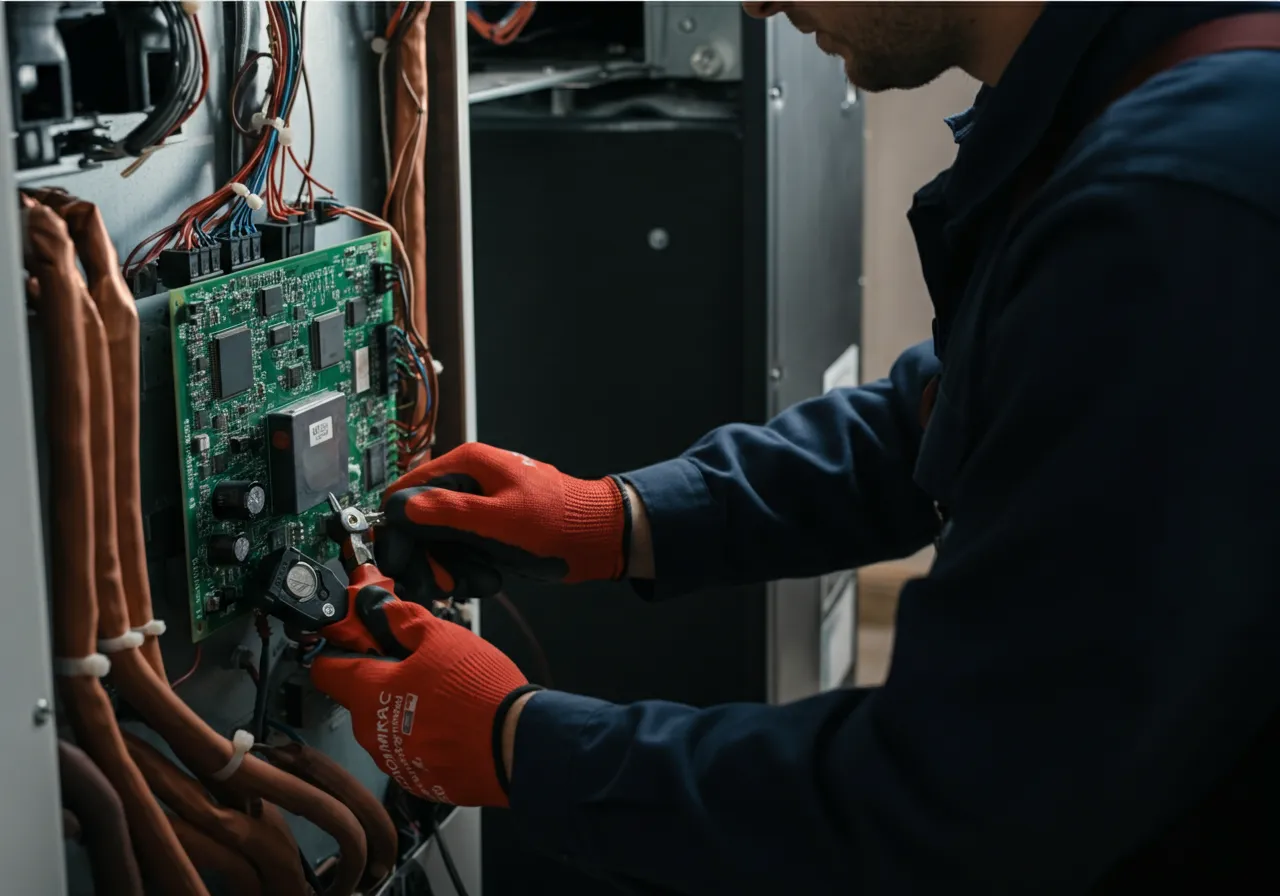
Safety Disclaimer: This is a Professional-Grade Installation
Important: The installation of a ground source heat pump system involves high-voltage electrical work, refrigerant handling, and potentially deep excavation or drilling. This is NOT a DIY project. Designing the ground loop, sizing the equipment, and making all connections must be performed by licensed and certified HVAC and drilling professionals to ensure safety, efficiency, and compliance with all local building and electrical codes. Incorrect installation can lead to system failure, electrical hazards, or refrigerant leaks.
The Core Benefits: Breaking Down the Long-Term Value
When homeowners ask me if it’s worth it, I break it down into three pillars: your wallet, your comfort, and your footprint.
1. Financial Benefits: Lower Bills and Increased Home Value
- Drastically Reduced Operating Costs: By leveraging the earth’s stable temperature, a geothermal heating and cooling system can reduce energy consumption by 25%-50% compared to conventional systems. You’re swapping volatile fuel costs (oil, propane, natural gas) for more stable electricity, and using far less of it.
- Long-Term Stability: While the upfront cost is higher, the system’s lifespan is exceptional. The indoor heat pump unit often lasts 20+ years, and the underground ground loop can last 50+ years—essentially the life of the home. You’re making a one-time infrastructure investment.
- Potential Incentives: Federal tax credits, along with possible state and utility rebates, can significantly offset the initial installation cost. Always check the U.S. Department of Energy’s guide to geothermal heat pumps for the latest information.
- Home Resale Value: Multiple studies have shown that homes with geothermal systems sell for a premium, as buyers recognize the value of low, predictable utility bills.
2. Comfort and Performance Benefits: Consistency is Key
- Even, Draft-Free Heating & Cooling: Unlike a furnace that blasts hot air then shuts off, a well-sized ground source system typically runs in longer, gentler cycles. This eliminates hot/cold spots and temperature swings.
- Superior Dehumidification: In cooling mode, these systems run longer at lower speeds, which pulls more moisture from the air than a standard AC unit that rapidly cycles on and off. Your home feels cooler at a higher thermostat setting.
- Quiet Operation: The noisiest component—the compressor and fan—is located indoors in a mechanical room. There’s no loud outdoor condenser unit buzzing next to your patio.
- All-in-One Potential: Many systems can be configured to provide most or all of your domestic hot water at very high efficiency, adding another layer of savings.
3. Environmental Benefits: A Cleaner Footprint
- Reduced Carbon Emissions: By using renewable thermal energy from the ground and highly efficient electricity use, a geothermal system dramatically lowers your home’s carbon emissions, especially if paired with a renewable electricity source like solar.
- No On-Site Combustion: There’s no flame, no flue pipe, and no risk of carbon monoxide production from the heating system itself.
- Refrigerant Containment: Modern systems use sealed refrigerant loops with environmentally friendlier refrigerants, and the sealed underground loop poses no environmental risk.
Ground Source vs. Air Source: A Quick Comparison
| Feature | Ground Source Heat Pump (Geothermal) | Standard Air-Source Heat Pump |
|---|---|---|
| Efficiency (COP/SPF) | Very High (3.5 – 5.5+) | Moderate to High (2.5 – 4.0) |
| Operating Cost | Lowest | Low |
| Upfront Cost | Highest | Moderate |
| Lifespan (Outdoor/Loop) | 20-25 yrs / 50+ yrs | 10-15 years |
| Noise Level | Very Quiet (indoor unit) | Moderate (outdoor unit) |
| Performance in Extreme Cold | Consistent, no backup typically needed | Declines; often requires electric backup heat |
| Installation Complexity | High (requires excavation/drilling) | Low to Moderate |
Frequently Asked Questions (FAQ)
Q: How much yard space do I need for the ground loop?
A: It depends on the loop type. For a horizontal loop (trenches), you typically need a sizable, clear yard. For a vertical loop (deep boreholes), you need much less surface area, making it ideal for smaller lots. A qualified installer will perform a site survey to determine the best option.
Q: Will it work in a very cold climate?
A: Absolutely. This is one of its greatest strengths. While an air-source heat pump struggles to extract heat from sub-freezing air, the ground a few feet down remains at a steady temperature. A properly sized geothermal system can handle extreme cold without the need for inefficient supplemental electric resistance heat.
Q: Is the underground loop prone to leaks or damage?
A: The high-density polyethylene (HDPE) pipe used is incredibly durable, resistant to corrosion and freezing. It’s typically guaranteed for 50 years. During installation, the entire loop is pressure-tested for an extended period to ensure integrity before being buried. Once installed, it’s very robust.
The Bottom Line from a Technician
Installing a ground source heat pump is a major home infrastructure decision, not just an appliance swap. The upfront investment is significant, but the payoff is a system that delivers unparalleled efficiency, rock-solid comfort for decades, and genuine energy independence. If you plan to stay in your home for 10+ years and have the capital for the initial project, the long-term benefits—financial, comfort, and environmental—are very real and very powerful. Your first and most critical step is to find an experienced, certified geothermal heat pump installer for a detailed home evaluation and quote.