
You’re sitting at home, watching the thermostat creep up, and you know your old air conditioner is on its last legs. The thought of getting a new one brings a mix of relief and dread—relief for the cool air, dread for the potential cost. If you’ve heard that Goodman is a budget-friendly brand, you’re right. But what does “budget-friendly” actually mean? As an HVAC tech who’s installed hundreds of these units, I can tell you the sticker price is just the start. This guide will break down the real cost of a Goodman central AC system, from the unit itself to the final, frosty blast of air from your vents.
Safety Disclaimer: Your First and Most Important Step
⚠️ WARNING: This is a price and informational guide only. The installation, repair, and maintenance of central air conditioning systems involve high-voltage electricity, hazardous refrigerants under pressure, and complex mechanical components. This work must be performed by a licensed, insured, and EPA-certified HVAC professional. Attempting a DIY installation can result in severe injury, electrocution, refrigerant poisoning, voided warranties, and a system that fails prematurely or operates dangerously inefficiently.
How a Central AC Works (The Highway Analogy)
Let’s quickly demystify your AC so the pricing makes more sense. Think of your central air system as a specialized highway for heat.
- The Compressor (The Engine): Located in the outdoor condenser unit, this is the system’s heart. It pressurizes the refrigerant, turning it into a hot, high-pressure gas and starting its journey.
- The Refrigerant (The Transport Trucks): This is the specialized fluid in the copper lines that physically carries the heat from inside your house to the outside.
- The Coils (Loading & Unloading Docks): The indoor evaporator coil (in your furnace or air handler) is where the refrigerant “loads up” with heat from your home’s air. The outdoor condenser coil is where it “unloads” that heat into the outside air.
- The Blower & Fan (The Highway Crew): The indoor blower circulates air across the cold evaporator coil and through your ducts. The outdoor fan exhausts the heat from the condenser coil.
When you buy a new Goodman central air conditioner, you’re primarily replacing the outdoor condenser and the matching indoor coil. The efficiency and longevity of the whole “highway” depend on all parts working in perfect harmony, which is why professional installation is non-negotiable.
Breaking Down the Cost of a Goodman Central AC System
The total price isn’t just for a metal box. It’s a package deal of equipment, labor, and expertise. Here’s what you’re really paying for.
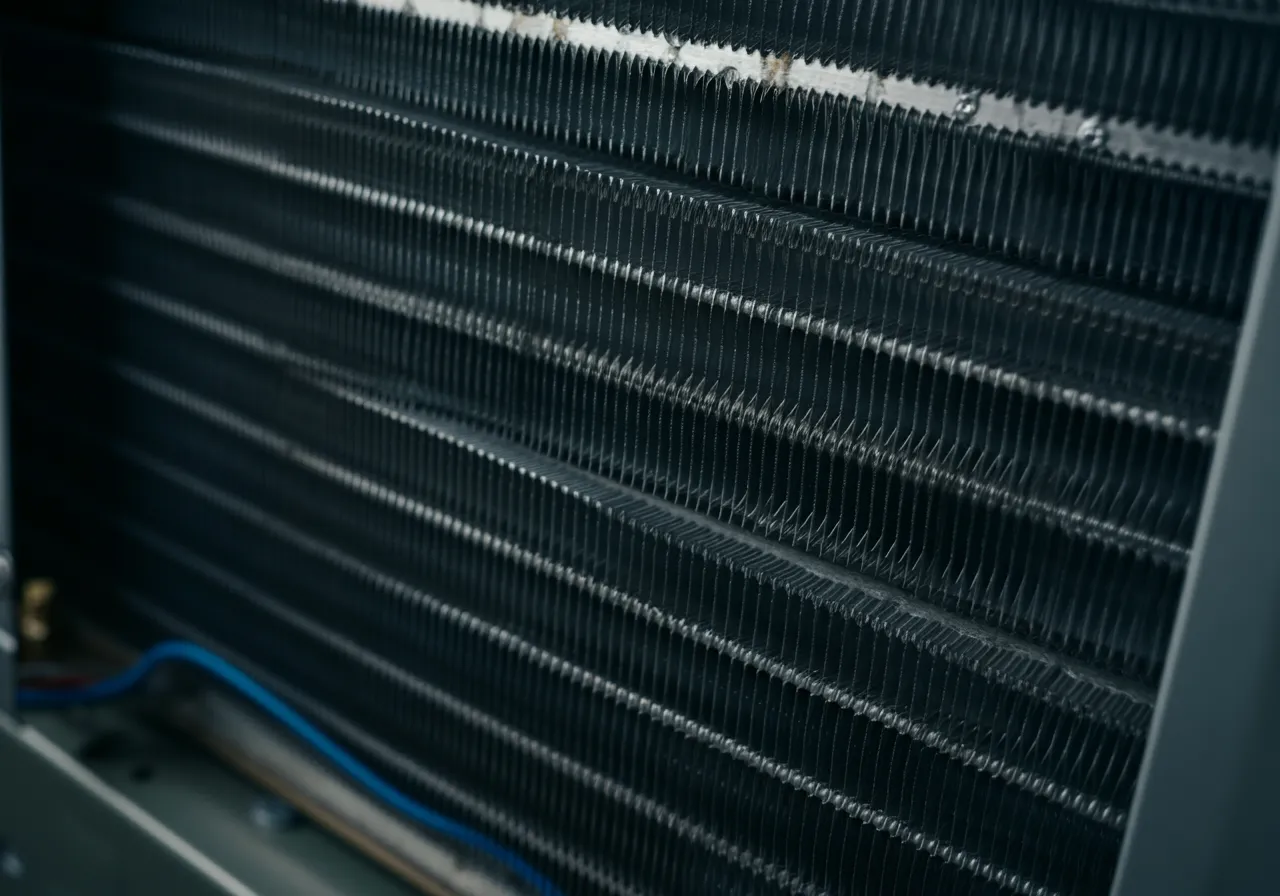
1. The Equipment Cost (The Unit Itself)
Goodman is known for offering reliable, no-frills equipment at a competitive price. The cost varies mainly by capacity (measured in tons) and efficiency (measured in SEER2, the new standard).
- Standard Efficiency (14-16 SEER2): The most common and cost-effective choice for replacements. Does the job reliably without premium features.
- High Efficiency (17+ SEER2): These models have more advanced components, like two-stage compressors, for better humidity control and lower energy bills. You pay more upfront but save over time.
Goodman central AC unit price range: $1,800 – $3,200 (for the outdoor condenser only).
Goodman central air conditioning price range: $2,800 – $4,500+ (for the outdoor condenser only).
Remember: You must also purchase a matching indoor evaporator coil. This typically adds $600 – $1,200 to the equipment cost.
2. The Installation Cost (The Critical Factor)
This is where quotes can vary wildly. A proper installation is a full-day job for a skilled crew and includes:
- Removing and disposing of the old unit and refrigerant.
- Installing a new pad or stand.
- Mounting the new condenser and coil.
- Connecting refrigerant lines with a proper braze (not just compression fittings).
- Running new electrical connections and a disconnect.
- Installing a new condensate drain line.
- Performing a thorough vacuum and pressure test on the system.
- Charging the system with the exact amount of refrigerant.
- Testing and calibrating the entire system for optimal performance.
Installation Labor Cost Range: $2,500 – $5,000+. Complexity (like difficult attic access or upgrading electrical) increases the price.
3. Additional & Potential Costs
- New Air Handler/Furnace: If your indoor unit is also old, replacing it as part of a “matched system” is highly recommended. Adds $2,500 – $5,000+.
- Ductwork Modification/Repair: Leaky or undersized ducts cripple a new AC’s performance. Sealing or replacing ducts adds significant cost.
- Electrical Upgrades: New codes or a larger unit may require a new circuit or panel work.
- Permits: Most localities require a permit for HVAC replacement ($100 – $500).
Goodman AC: Estimated Total Installed Cost Table
| System Type & Size | Equipment Cost Range* | Estimated Installed Cost Range** | Best For |
|---|---|---|---|
| 14-16 SEER2 (2-3 Ton) Standard Efficiency |
$2,400 – $4,400 | $4,900 – $8,500 | Straightforward replacements in moderate climates where top efficiency isn’t critical. |
| 17-18 SEER2 (3-4 Ton) High Efficiency |
$3,400 – $5,700 | $6,500 – $10,500 | Homeowners with higher cooling bills, in hot/humid climates, or planning to stay in the home long-term. |
| Complete System AC + New Air Handler/Furnace |
$5,000 – $9,000+ | $8,500 – $14,000+ | Full system overhauls, new construction, or when the indoor unit is failing. |
*Equipment cost includes outdoor condenser + matching indoor coil.
**Installed cost includes typical labor, materials, and permit. Prices vary widely by region, home, and contractor.
How to Get an Accurate Quote & Choose a Contractor
- Get 3+ Detailed Quotes: Never go with the first estimate or a “drive-by” quote. A reputable contractor will perform a Manual J Load Calculation to determine the correct size for your home, not just match the old unit’s size.
- Verify Credentials: Check for state licensing, liability insurance, and EPA certification. Ask for references from recent jobs.
- Read the Fine Print: Understand the warranty. Goodman offers strong manufacturer warranties (like a 10-year parts limited warranty), but it must be registered by the installing contractor to be valid. Also, clarify what the labor warranty covers from the installer (typically 1-2 years).
- Beware of the Lowball: A quote significantly lower than others often means cutting corners: using incorrect refrigerant, skipping the vacuum test, or not pulling a permit. This will cost you more in repairs and efficiency losses within a year or two.
Frequently Asked Questions (FAQ)
Is Goodman a cheap, low-quality brand?
No, it’s a value brand. Goodman focuses on manufacturing reliable, straightforward components efficiently, which keeps costs down. They are one of the largest producers in North America and are owned by the same parent company as Amana, which offers higher-end features. With a proper installation, a Goodman unit can provide 12-15 years of reliable service, similar to other major brands.
Why can’t I just buy the unit online and install it myself?
First, it will void the manufacturer’s warranty, which requires professional installation. Second, the technical complexity and safety risks are extreme. The refrigerant charge must be precise, the electrical connections must be to code, and the system must be leak-free. An improper installation can reduce efficiency by 30% or more and lead to premature compressor failure—the most expensive part to replace.
Is it worth paying more for a higher SEER2 Goodman model?
It depends on your climate, energy costs, and how long you plan to stay in the home. In the South with long, hot summers, a 16 SEER2 unit will pay back the price difference over a 14 SEER2 model relatively quickly through lower electric bills. In the North with shorter cooling seasons, the payback period is longer. A good contractor can help you run a simple cost/benefit analysis.
The Bottom Line
Investing in a new Goodman central air conditioning system is a smart move for budget-conscious homeowners who don’t need the latest smart-home gadgets bundled into their HVAC. The key to unlocking its value and longevity isn’t found in the box—it’s in the skill of the technician who installs it. Focus your effort on finding a meticulous, certified professional who will size it right, install it to the letter of the code, and stand behind their work. That’s how you turn an affordable unit into a cool, reliable, and cost-saving asset for your home for years to come.