
You know the feeling. Another sweltering summer day, and your air conditioner is struggling to keep up. The house feels sticky, the bills are climbing, and that old unit is making noises that can’t be good. If this sounds familiar, you’re likely facing a critical decision: repair or replace your central air conditioning system. This guide will walk you through everything you need to know to make a smart, informed choice.
Safety Disclaimer: This Isn’t a DIY Job
Warning: Central air conditioning systems involve high-voltage electricity, hazardous refrigerants under pressure, and complex mechanical components. Attempting a full system replacement without the proper EPA certification, state licensing, and tools is extremely dangerous and illegal. This article is for informational purposes to help you understand the process and work knowledgeably with a professional. Always hire a licensed and insured HVAC contractor for installation, maintenance, and repair.
How Your Central AC Works: The “Heart and Lungs” Analogy
Think of your air conditioning system like the circulatory and respiratory systems of your home. The outdoor condenser unit is the heart. Its compressor pumps refrigerant (the lifeblood) through the sealed system. The indoor evaporator coil, usually located above your furnace, acts as the lungs. It absorbs heat and humidity from your home’s air. The refrigerant carries that heat outside where the condenser’s fan blows it away, just like you exhale warm air. A failing compressor (heart attack) or a clogged coil (congested lungs) means the whole system can’t function properly.
When to Repair vs. When to Replace Your Central Air System
This is the million-dollar question. As a rule of thumb, consider the “5,000 Rule.” Multiply the age of your equipment by the estimated repair cost. If the result is over $5,000, replacement is usually the better long-term investment. Beyond that, here are the key signs:
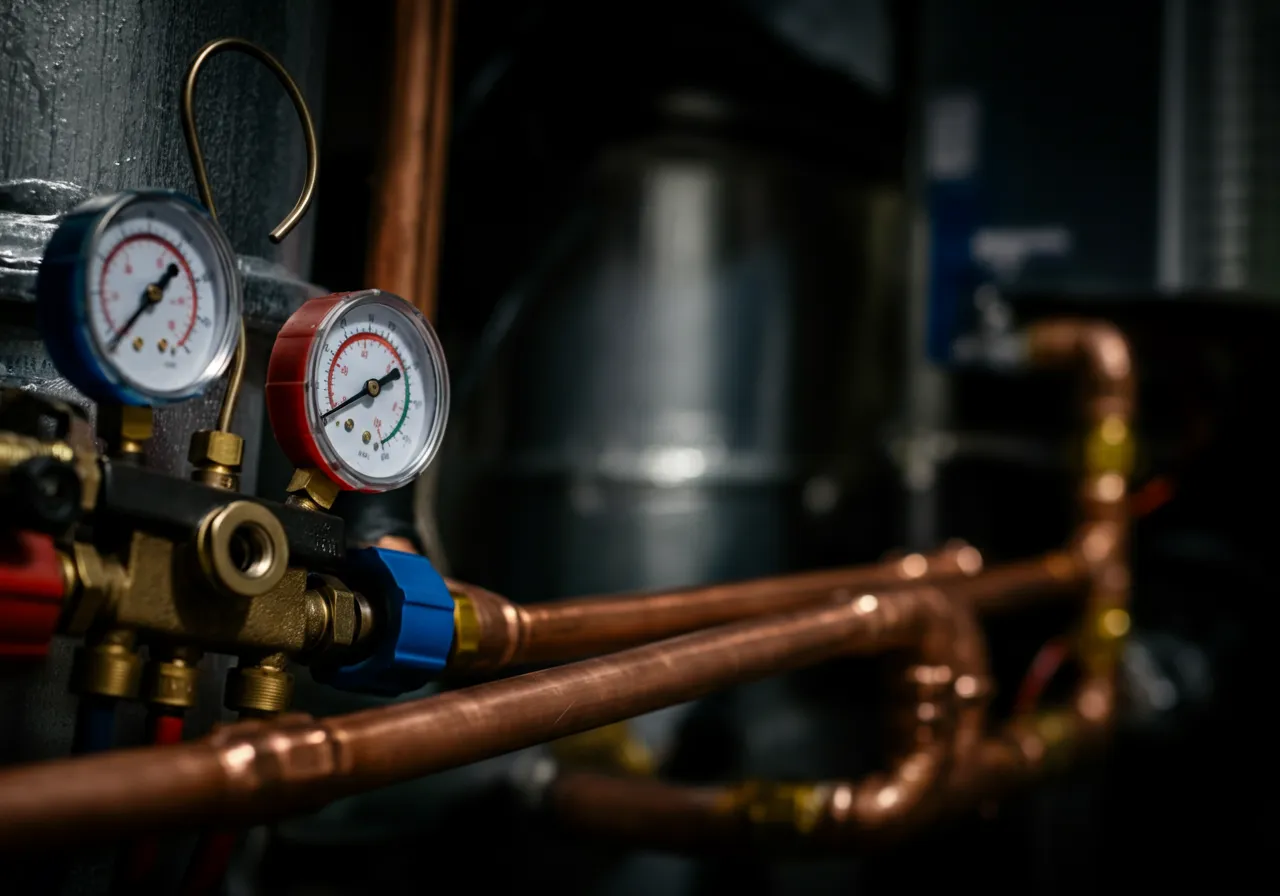
Signs You Might Just Need a Repair:
- Reduced Cooling in One Room: This often indicates ductwork issues or a blocked vent.
- Occasional Icing on the Copper Lines: Could be a simple fix like a dirty air filter or low refrigerant charge (which still requires a pro to fix).
- Unit is Less Than 10 Years Old: Modern systems are built to last 12-15 years; a repair on a younger unit is often worthwhile.
Signs It’s Time for a Full Replacement:
- Age: Your system is over 12-15 years old.
- Frequent Breakdowns: You’re calling for repairs every season.
- R-22 Refrigerant: If your system uses this obsolete, ozone-depleting refrigerant (Freon), it’s incredibly expensive to recharge. The EPA has phased it out.
- Skyrocketing Energy Bills: As efficiency drops, your system works harder, costing you more.
- Major Component Failure: A failed compressor or evaporator coil on an older unit is often a replacement-level cost.
Understanding Your Replacement Options: SEER and You
The most critical factor in a new system is its SEER rating (Seasonal Energy Efficiency Ratio). Think of it like miles-per-gallon for your air conditioner. A higher SEER rating means greater efficiency and lower operating costs.
| SEER Rating | Efficiency Level | Best For | Estimated Cost Premium |
|---|---|---|---|
| 14-15 SEER | Standard Efficiency | Budget-conscious replacements; meets current federal minimums. | Base Price |
| 16-18 SEER | High Efficiency | Homeowners wanting a balance of upfront cost and long-term savings. | 20-30% More |
| 19-25+ SEER | Ultra-High / Variable Speed | Hot climates, homes with high cooling costs, maximum comfort & quiet. | 40-60%+ More |
Pro Tip: Don’t just match the old system’s size (tonnage). A professional should perform a Manual J Load Calculation to determine the precise capacity needed for your home’s layout, insulation, and windows. An oversized or undersized unit will lead to comfort and efficiency problems.
The Professional Replacement Process: What to Expect
When you hire a quality contractor, here’s the general process they’ll follow:
- In-Home Consultation & Load Calculation: A tech assesses your home, discusses your needs, and recommends properly sized equipment.
- Equipment & Refrigerant Selection: You’ll choose a system with modern, environmentally friendly refrigerant like R-410A or the new R-32. Discuss brands, warranties, and financing.
- Old System Removal: The contractor will legally recover all old refrigerant and remove the outdoor and indoor units.
- Installation Day: This involves setting the new condenser pad, installing the outdoor unit, mounting the new evaporator coil, connecting refrigerant lines with a nitrogen purge and brazing, updating electrical connections, and installing a new thermostat.
- System Startup & Commissioning: This is the most critical step. The tech will evacuate the lineset of all air and moisture, charge the system to the exact manufacturer’s specification, test airflow, and verify all electrical and safety controls. They should provide a written startup report.
Keeping Your New Investment Running Smoothly
Protect your new central air conditioner with simple maintenance:
- Change the Air Filter every 1-3 months without fail.
- Keep the Outdoor Unit Clear of leaves, grass, and debris (at least 2 feet of clearance).
- Schedule Annual Professional Tune-ups each spring. This is the best way to catch small issues and maintain peak efficiency and warranty coverage.
Frequently Asked Questions (FAQ)
How much does it cost to replace a central air conditioning system?
For a full system replacement (outdoor condenser + indoor coil), national averages range from $5,000 to $12,000+, heavily dependent on home size, SEER rating, brand, and regional labor costs. Get 3 detailed, written estimates from established local contractors.
Can I just replace the outdoor unit and not the indoor coil?
This is called a “mismatch” and is generally not recommended. New, high-efficiency condensers are designed to work with a matched indoor coil. Mixing old and new components will reduce efficiency, potentially void warranties, and can lead to premature failure. For more on system matching, see this resource from ENERGY STAR.
How long does a central AC replacement take?
A professional crew can typically complete a standard, straightforward central air conditioner replacement in one full day (6-10 hours). More complex jobs involving ductwork modifications or system upgrades may take 2-3 days.
Final Thoughts
Replacing your central air conditioning is a significant home investment, but it’s one that pays off in reliable comfort, lower energy bills, and peace of mind for years to come. By understanding the signs of failure, the importance of proper sizing and SEER ratings, and the value of professional installation, you can navigate this process with confidence. Start by getting consultations from reputable, licensed HVAC professionals in your area—your future cool, comfortable self will thank you.