
You’re sweating over two things: the summer heat and your sky-high electricity bills. You know you need a new central air conditioner, but the options are overwhelming. The biggest choice often comes down to efficiency ratings like 16 SEER vs 20 SEER. Is the more expensive, higher-efficiency model a smart investment, or is it overkill for your home? I’ve installed hundreds of systems, and the answer isn’t the same for everyone. Let’s break down the real-world differences so you can make a confident, cost-effective decision.
Safety Disclaimer: Leave This to the Pros
Installing or servicing a central air conditioner is not a DIY project. It involves high-voltage electrical work, handling pressurized refrigerant (which requires an EPA certification), and complex brazing and vacuum procedures. An improper installation can lead to electrocution, refrigerant leaks, system failure, or even a fire. This guide is for educational purposes to help you understand your options. Always hire a licensed, insured, and NATE-certified HVAC contractor for any installation, maintenance, or repair work.
SEER Explained: Your AC’s “Miles Per Gallon”
Before we compare 16 and 20, let’s demystify SEER. It stands for Seasonal Energy Efficiency Ratio. Think of it exactly like the MPG (miles per gallon) rating on a car.
- A car with 20 MPG uses more gas to go the same distance as a car with 30 MPG.
- An air conditioner with a 16 SEER rating uses more electricity to deliver the same amount of cooling as a 20 SEER unit.
It’s a measure of how much cooling (in British Thermal Units, or BTUs) you get for every watt-hour of electricity consumed over an entire season. The higher the SEER, the less energy it wastes, and the lower your operating costs.
The Heart of the Difference: How They Achieve Efficiency
You might wonder, “How can two metal boxes that do the same job have such different ratings?” The difference is under the hood. A standard 16 SEER AC is like a reliable car with a standard engine and transmission. It turns on at full power, runs until the thermostat is satisfied, and then shuts off completely.
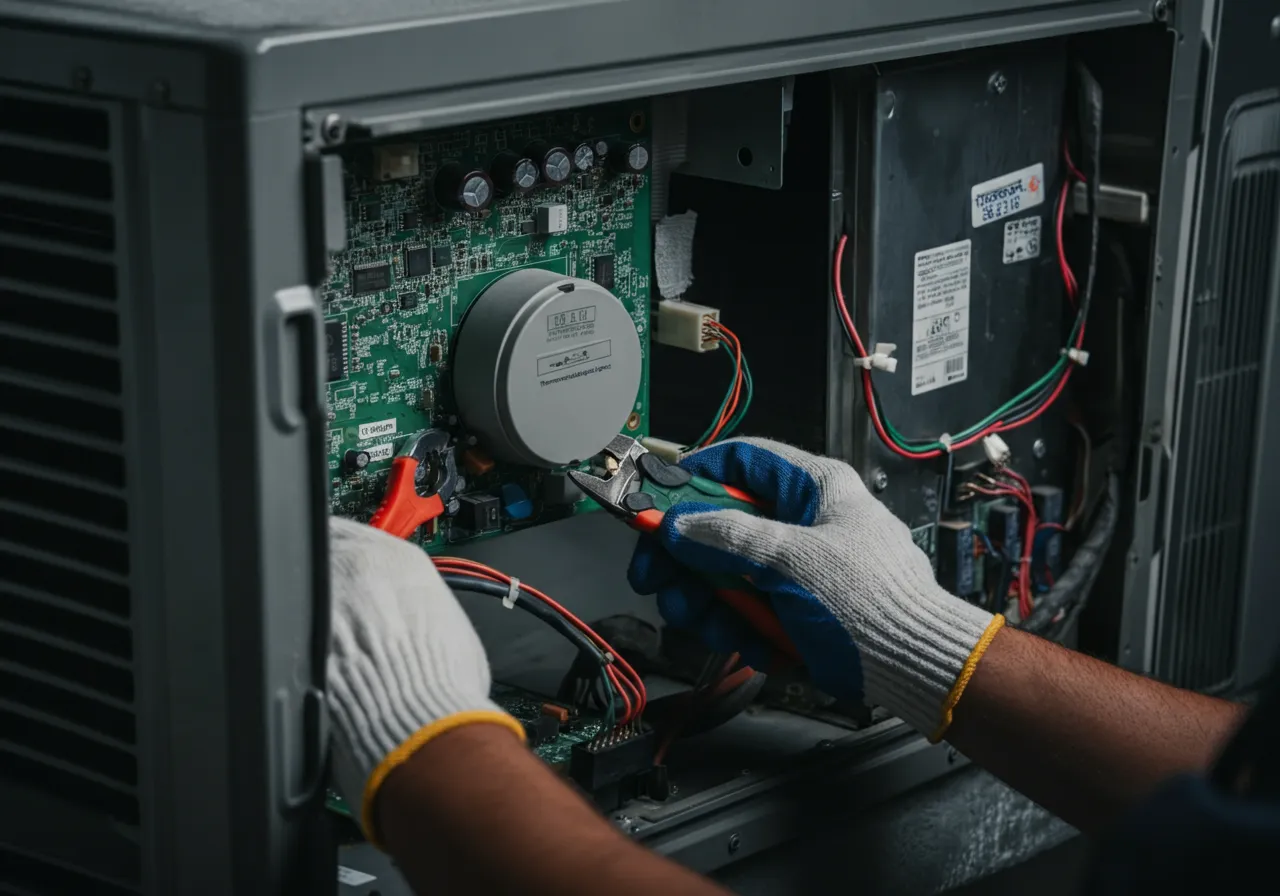
A 20 SEER system, however, is like a modern hybrid with advanced technology. Its key feature is a variable-speed or two-stage compressor. Instead of just “on” or “off,” it can run at a low, steady speed most of the time. This uses far less energy, removes humidity more effectively, and provides incredibly consistent comfort with fewer temperature swings. It’s paired with a variable-speed air handler that moves air quietly and efficiently.
16 SEER vs 20 SEER: The Detailed Breakdown
Let’s put these two head-to-head. Here’s what you’re really comparing when you look at the price tags.
| Feature | 16 SEER AC System | 20 SEER AC System |
|---|---|---|
| Typical Efficiency | 16 Seasonal Energy Efficiency Ratio | 20 Seasonal Energy Efficiency Ratio |
| Core Technology | Single-Stage or Two-Stage Compressor | Variable-Speed Compressor |
| Operation | Mostly “On” at full power or “Off” | Ramps up and down; runs longer at low speed |
| Upfront Cost | $$ (Standard Investment) | $$$$ (Premium Investment) |
| Energy Savings* | Baseline (Meets Federal Minimum) | ~20-25% more efficient than 16 SEER |
| Comfort & Humidity Control | Good | Excellent (Superior dehumidification) |
| Noise Level | Standard | Very Quiet |
| Best For | Milder climates, budget-conscious buyers, or homes where AC runs moderately. | Hot/humid climates, homeowners prioritizing long-term savings and premium comfort, or homes with high cooling costs. |
*Savings vary based on local electricity rates, climate, and usage. Your contractor can provide a Manual J load calculation for precise estimates.
The Homeowner’s Decision Guide: Which SEER is Right for You?
Choosing isn’t just about the numbers on the brochure. Follow this logic to find your best fit.
Step 1: Analyze Your Climate & Usage
How many months per year do you rely heavily on your AC? If you live in Phoenix or Houston and it runs 8+ months, the energy savings of a 20 SEER unit will add up much faster, making the payback period shorter. In Minneapolis or Seattle with shorter, milder cooling seasons, a 16 SEER system might be the more economical overall choice.
Step 2: Calculate the Payback Period
This is the most critical step. Ask your HVAC contractor for a detailed estimate comparing both options. They should provide:
- Total installed cost difference.
- Projected annual energy cost savings with the 20 SEER system.
Simple Payback Formula: (Cost of 20 SEER – Cost of 16 SEER) / Annual $ Savings = Payback Period in Years.
Example: If the 20 SEER costs $2,500 more and saves you $300 per year, the payback period is about 8.3 years. If you plan to stay in the home longer than that, the higher SEER unit starts paying you back.
Step 3: Value the “Intangible” Benefits
Don’t just look at the utility bill. A 20 SEER variable-speed system offers:
- Superior Comfort: Fewer hot/cold spots and better humidity removal means you can set the thermostat higher and still feel cool.
- Quiet Operation: The outdoor unit and indoor air handler are significantly quieter.
- Potential HVAC Tax Credits: Higher efficiency systems often qualify for federal tax credits or local utility rebates, which can offset the higher initial cost. Check resources like the ENERGY STAR website for the latest incentives.
Signs You’re Ready for a High-Efficiency Upgrade
While any new system is an improvement over an old, failing one, a 20 SEER investment makes the most sense if:
- Your current cooling bills are a major pain point.
- You struggle with high indoor humidity (sticky air, mold/mildew issues).
- You have an older, low-SEER system (below 14 SEER). The jump in savings will be dramatic.
- You value ultra-quiet operation and even temperatures throughout your home.
Maintenance: The Key to Keeping Your SEER Rating
A dirty system can drop a 20 SEER unit’s performance down to 16 SEER levels. To protect your investment:
- Change Air Filters Monthly: A clogged filter is like running a marathon breathing through a straw.
- Annual Professional Tune-Up: A technician will clean coils, check refrigerant charge, and ensure electrical components are tight. This is non-negotiable for efficiency and longevity.
- Keep the Outdoor Unit Clear: Maintain at least 2 feet of clearance from plants, debris, and fences for proper airflow.
Frequently Asked Questions (FAQ)
Is a 20 SEER AC unit worth the money?
It depends entirely on your climate, electricity rates, and how long you plan to stay in your home. For homes in hot, humid regions with high cooling costs, the long-term energy savings and comfort benefits often justify the higher upfront cost. Use the payback period calculation to guide your decision.
What is the most common SEER rating for a new AC?
Today, 16 SEER is the most common choice for a standard, high-quality replacement. It represents the federal minimum standard in the northern U.S. and offers a great balance of improved efficiency over older systems and reasonable cost. In the hotter South, the minimum is 15 SEER, making 16-18 SEER very common.
Can I mix a 20 SEER outdoor unit with my old indoor unit?
Absolutely not. Air conditioners are designed as matched systems. Pairing a high-efficiency outdoor unit with a non-matching, older indoor coil will result in poor performance, reduced efficiency, and likely premature failure. Always replace the entire system (outdoor unit and indoor coil/air handler) as a set to achieve the rated SEER.
The Final Verdict
Choosing between a 16 SEER and a 20 SEER central air conditioner isn’t about which one is “better” in a vacuum—it’s about which one is better for you. The 16 SEER is the dependable workhorse, offering solid efficiency and comfort at a more accessible price. The 20 SEER is the premium, high-tech option that delivers maximum savings and superior climate control for those who value it and will benefit from it over time. Your best move is to get detailed quotes from reputable contractors for both options, run the numbers for your specific home, and let that data—paired with your comfort priorities—make the choice clear.