
Are you tired of bulky window units cluttering your view or floor-standing air handlers eating up valuable square footage? Do you have a room with high ceilings where cool air just seems to disappear, leaving you with hot spots and high energy bills? If so, you’re facing a common HVAC dilemma that traditional systems often fail to solve. Enter the ceiling cassette mini split—a sleek, powerful, and surprisingly versatile option that tucks your comfort system right into the ceiling.
What is a Ceiling Cassette AC Unit? The “Invisible Chandelier” of Cooling
Think of a standard wall-mounted mini-split as a flat-screen TV on your wall—it’s effective, but you always see it. A ceiling cassette unit, on the other hand, is more like a recessed lighting fixture or a sleek chandelier. The bulk of the unit is hidden above the drywall, with only a low-profile, decorative panel (usually about 2-3 inches thick) visible flush with your ceiling. From this panel, conditioned air is distributed evenly in two, three, or four directions, creating a gentle, widespread airflow that eliminates drafts and hot/cold spots far more effectively than a single-direction wall unit.
How Does a Ceiling Cassette Mini Split Work? (The Simple Analogy)
All mini-split systems have two main parts: an outdoor condenser (the noisy compressor and fan you see outside homes) and one or more indoor air handlers. The magic is in the refrigerant line connecting them. Here’s the simple breakdown:
- The Outdoor Unit is the system’s engine. It compresses and circulates refrigerant, which absorbs and releases heat.
- The Refrigerant Lines are the system’s blood vessels, carrying this heat-absorbing “blood” to and from the indoor unit.
- The Ceiling Cassette is the system’s lungs and nervous system. Its fan (the lungs) draws warm room air up through the center of the panel. This air passes over a cold coil filled with refrigerant, which “sweats” out the heat and moisture. The now-cool, dry air is then gently exhaled back into the room through the multi-directional louvers. Its sensors and electronics (the nervous system) constantly monitor room temperature and adjust output for precise comfort.
⚠️ Critical Safety & Professional Installation Disclaimer
This article is for informational purposes only. Installing a ceiling cassette mini split is NOT a DIY project. It involves:
High-Voltage Electrical Work: Connecting to your home’s main electrical panel requires a licensed electrician to ensure it meets National Electrical Code (NEC) standards and is properly fused.
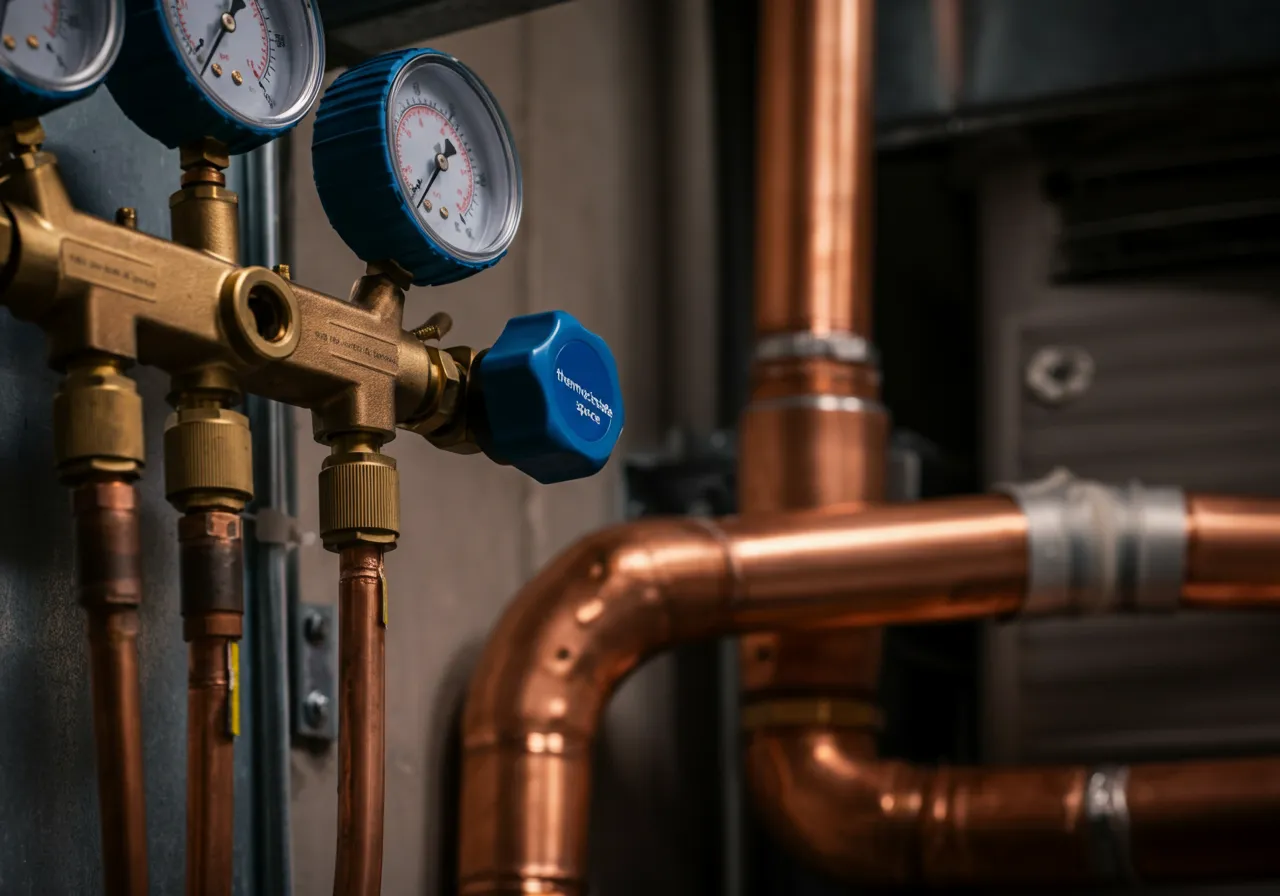
Refrigerant Handling: Only EPA-certified technicians can legally braze copper lines, pressure-test the system, and charge it with refrigerant. Improper handling can lead to system failure, injury, or environmental harm.
Structural & Aesthetic Work: Cutting a large hole in your ceiling, running lines through walls/attic, and ensuring proper drainage requires carpentry skills and knowledge of building codes to avoid structural or water damage.
Always hire a qualified, licensed, and insured HVAC professional for consultation, sizing, and installation. A proper installation is the single biggest factor in the system’s performance, efficiency, and lifespan.
Ceiling Cassette vs. Other Mini Split Types: Which is Right for You?
Choosing the right indoor unit style depends on your space and priorities. Here’s a quick comparison:
| Feature | Ceiling Cassette | Wall-Mounted (Most Common) | Floor-Mounted / Console |
|---|---|---|---|
| Visibility & Aesthetics | Best. Nearly flush with ceiling; most discreet. | Visible on wall; modern look but prominent. | Similar to old radiator; sits on floor against wall. |
| Airflow Distribution | Excellent. 2, 3, or 4-way air throw for even room coverage. | Good. Single-direction swing; can cause drafts. | Good. Upward airflow; good for rooms with low wall space. |
| Ideal Room Type | Commercial spaces, large open living areas, rooms with high ceilings, hallways. | Bedrooms, home offices, standard-height living rooms. | Server rooms, sunrooms, or rooms with mostly glass walls. |
| Installation Complexity | Highest. Requires ceiling access & careful placement for drainage. | Moderate. Standard wall placement. | Moderate. Requires exterior wall for lines. |
| Relative Cost | Higher (unit cost + more complex install). | Lower (most affordable & common). | Moderate. |
The Professional Installation Process: What to Expect
While you won’t be doing this yourself, understanding the steps helps you vet your contractor and know what’s happening in your home. A proper install typically follows this sequence:
1. Consultation & Sizing (The Most Important Step)
A pro will perform a Manual J load calculation. They’ll measure your room, assess insulation, windows, and sunlight to determine the exact BTU capacity needed. Too big a unit short-cycles (wasting energy), too small runs constantly (and can’t keep up).
2. Planning & Preparation
They’ll locate the ceiling joists, plan the route for the refrigerant lineset (usually through the attic), and identify the best location for the outdoor condenser. The indoor unit must be level and have a slight pitch for the condensate drain line to work.
3. The Major Installation Steps
- Ceiling Cut-Out & Mounting: A precise hole is cut, and a sturdy mounting bracket is secured to the ceiling structure.
- Running Lines & Drain: The copper refrigerant lines and condensate drain hose are run from the outdoor location, through the attic/wall, to the ceiling opening. The drain must have a proper trap and fall.
- Electrical Connections: A dedicated circuit is run from your electrical panel to the outdoor unit by an electrician.
- Final Connections & Vacuum: The lines are connected, the system is pressurized with nitrogen to check for leaks, then a deep vacuum is pulled to remove all moisture and air—a critical step for longevity.
- Charging & Commissioning: The system is charged with the precise amount of refrigerant, turned on, and tested for proper cooling, heating (if a heat pump), drainage, and airflow.
Maintenance Tips to Keep Your System Running Smoothly
Once installed, a little care goes a long way. Always turn the system off at the thermostat/remote before any maintenance.
- Monthly Filter Cleaning: Gently swing down the decorative panel (consult your manual). Remove the washable foam filter, rinse it with lukewarm water, let it dry completely, and reinstall. This is the #1 task for efficiency and air quality.
- Annual Professional Service: Once a year, have a technician check refrigerant levels, electrical connections, clean the indoor coil and blower wheel, and ensure the outdoor coil is clear of debris.
- Keep It Clear: Ensure the ceiling intake and outlets are not blocked by furniture, drapes, or storage items in the attic.
Frequently Asked Questions (FAQ)
Q: Can a ceiling cassette mini split also heat my room?
A: Absolutely. Most modern mini-splits are heat pumps, meaning they can both cool and heat with incredible efficiency by simply reversing the refrigerant flow. They are often 2-3 times more efficient than traditional electric resistance heat. For more on how heat pump technology works, you can read this resource from the U.S. Department of Energy: Heat Pump Systems.
Q: Is the installation very disruptive? Will there be a lot of dust?
A: A professional crew will use drop cloths and may use dust-containment tools when cutting the ceiling. The most “disruptive” part is typically running the lineset, which may require small access holes in walls or closets. The actual ceiling unit installation in the room itself is usually a one-day, relatively clean process for a single zone.
Q: How noisy are they?
A: They are among the quietest indoor options available. Since the compressor is outside, the indoor noise is just the sound of air moving. On low speed, many models operate at a whisper-quiet 19-25 decibels—quieter than a library. You’ll feel the comfort more than you’ll hear it.
Final Thoughts
The ceiling cassette air conditioner represents a perfect marriage of form and function for the right space. It delivers superior, even comfort without sacrificing your room’s design aesthetic. While the upfront cost and installation complexity are higher than a standard wall unit, the benefits of invisible integration, excellent airflow, and quiet operation make it a compelling choice for open-plan homes, renovations, and commercial settings. Your first and most important step is finding a trusted HVAC contractor who can accurately assess your needs and execute a flawless installation. With that in place, you’ll enjoy premium, out-of-sight comfort for years to come.