
You walk over to the thermostat, crank it down a few degrees, and… nothing. No familiar hum from the outdoor unit, no rush of cool air. Just silence and the creeping dread of a costly repair bill. Before you panic, know this: one of the most common reasons an air conditioner fails is a small, inexpensive part called the AC capacitor. Think of it as the battery that gives your system the jolt it needs to start and run. This guide will help you understand what it does, when it fails, and what your options are for a replacement AC capacitor.
What is an AC Capacitor and What Does It Do? (The “Battery & Coach” Analogy)
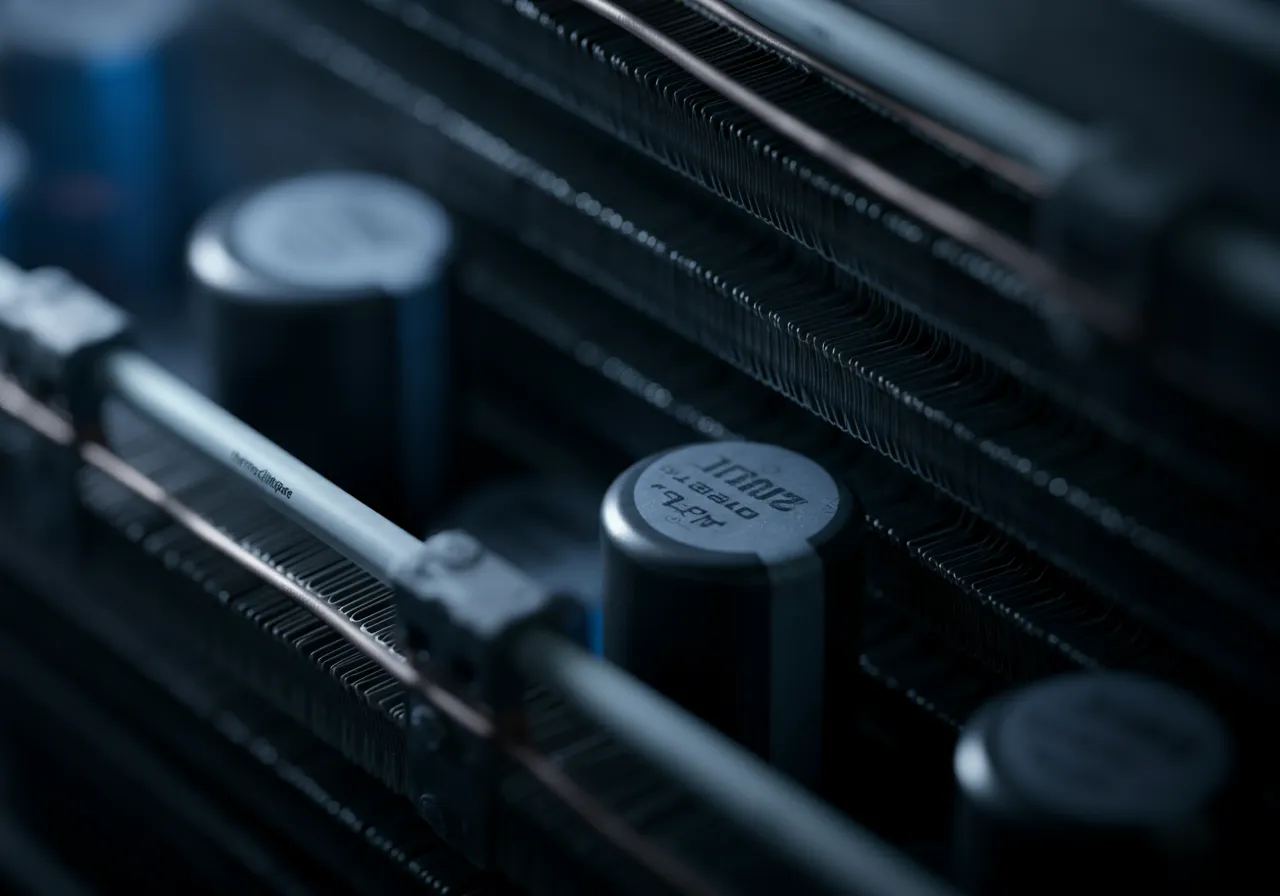
Inside your outdoor condenser unit, you’ll find one or more metal cylinders, about the size of a soda can, with wires connected to them. These are your capacitors. They don’t *create* energy, but they store it and release it in powerful bursts.
Here’s the best way to think about it: Your AC’s compressor and fan motor are like massive athletes. They need a huge surge of energy to start moving from a dead stop (starting torque), but less energy to keep running. The capacitor is their coach with a starting pistol. The coach stores the energy (the “bang!”), and at the exact right moment, gives the athlete that explosive jolt to start the race. Once running, the capacitor continues to provide a steady, stabilizing influence to keep the motor operating efficiently.
Most systems use two:
- Start Capacitor: Gives the initial, powerful jolt to get the motor spinning.
- Run Capacitor: Provides ongoing, stabilized power to keep the motor running smoothly and efficiently.
Many modern units use a dual run capacitor, which is a single can with three terminals that handles both the compressor and the fan motor. It’s a common replacement AC capacitor type.
⚠️ SAFETY DISCLAIMER: READ THIS FIRST
Working with capacitors is DANGEROUS. They store high-voltage electricity even when the power is turned off. A charged capacitor can deliver a lethal shock. This article is for informational purposes only. If you are not 100% confident in your ability to safely discharge a capacitor, identify electrical components, and handle high-voltage wiring, STOP HERE AND CALL A LICENSED HVAC TECHNICIAN. Your safety is not worth the risk. Always follow the OSHA Lockout/Tagout procedures for working on electrical equipment.
How to Know If Your AC Capacitor is Bad: The 5 Tell-Tale Signs
Capacitors wear out over time, especially in the heat. Here’s what to look and listen for:
- The “Hard Start” or “Humming” Unit: You hear a loud hum from the condenser but the fan doesn’t spin, or it tries to spin slowly and gives up. The compressor might also be humming but not starting.
- No Cold Air (But the Fan Runs): The outdoor fan is spinning, but the house isn’t cooling. This often points to a failed compressor capacitor—the fan has its own, so it runs, but the compressor can’t start.
- Random System Shut-Offs: The system starts, runs for a few minutes, then trips the breaker or shuts off on its own due to motor strain.
- High Energy Bills: A weak capacitor makes motors work harder and less efficiently, driving up your costs.
- The Visual Test (Power OFF!): A bulging top, leaking oil, or rust at the terminals are clear physical signs of a failed capacitor.
Choosing the Right Replacement AC Capacitor: A Quick Comparison
You can’t just grab any capacitor off the shelf. It must match your system’s specifications exactly. Here’s what you need to know:
| Specification | What It Means | Why It’s Critical |
|---|---|---|
| Microfarads (µF or MFD) | The storage capacity of the capacitor (e.g., 35+5 µF). | MUST MATCH EXACTLY. A wrong value will damage the motor. |
| Voltage (VAC) | The maximum voltage the capacitor can handle (e.g., 370V or 440V). | The replacement voltage can be equal to or higher than the original. Never lower. |
| Type | Dual Run, Run, or Start Capacitor. | You must replace with the same physical and electrical type. |
| Shape & Terminals | Round vs. oval, blade (quick-connect) vs. screw terminals. | Ensures it fits in the bracket and the wires connect properly. |
Pro Tip: The model number on the old capacitor is your golden ticket. Also, take a clear picture of the wiring before you disconnect anything. The new capacitor must be an exact electrical match.
AC Capacitor FAQs
Can I replace an AC capacitor myself?
If you have solid electrical knowledge, understand how to safely discharge a capacitor using an insulated screwdriver, and can precisely match the specifications, it is a relatively straightforward repair. However, due to the high risk of electrical shock and the potential to damage expensive components if done incorrectly, we strongly recommend hiring a professional.
How long should a replacement AC capacitor last?
A good quality capacitor typically lasts 10-15 years. However, extreme heat (the very thing your AC fights) is its enemy. Units in hot climates that run constantly may see shorter lifespans of 5-10 years. A surge from a power outage can also instantly kill a capacitor.
How much does it cost to replace an AC capacitor?
The part itself is cheap, usually between $10 and $40. A professional HVAC service call for capacitor replacement typically ranges from $120 to $250, which includes the service fee, labor, part markup, and warranty. While the DIY part cost is low, you are paying for the technician’s expertise, safety, and speed.
Maintenance Tip to Extend Capacitor Life
The single best thing you can do is keep your outdoor condenser unit clean and clear of debris. Restricted airflow causes the unit to work harder, build up heat, and put more strain on all components, including the capacitors. Simply rinsing the coils with a garden hose (with the power OFF) each spring can make a big difference.
Final Verdict
A failed capacitor is a common, often inexpensive fix for a problem that completely stops your cooling. While it’s a frequent DIY target for handy homeowners, never underestimate the danger of the stored charge inside. Knowing the signs—like a humming unit or a spinning fan with no cool air—empowers you to describe the problem accurately to a technician, potentially saving diagnostic time. Whether you call a pro or carefully tackle it yourself, getting the right replacement AC capacitor is the key to getting your cool comfort back on track.