
Are you tired of unpredictable fuel prices sending your heating and cooling bills on a rollercoaster ride? Do you want a home comfort system that’s whisper-quiet, incredibly reliable, and kind to the planet? If you’re looking for a permanent solution to high energy costs, a geothermal heat pump might be your answer. But the idea of installing one can seem daunting. I’m here to demystify the entire process, from how it works to what happens in your backyard.
How a Geothermal System Works: The “Thermos in Your Yard” Analogy
Forget everything you know about traditional furnaces and air conditioners. A geothermal heat pump (or ground-source heat pump) doesn’t create heat by burning fuel; it moves it. Think of the earth 6-10 feet below your lawn as a giant, incredibly stable thermos. No matter how hot the summer or how cold the winter, the ground temperature stays a consistent 45°F to 75°F (7°C to 24°C) year-round.
Your geothermal system has two main parts: the heat pump unit inside your home and a loop of pipes buried in the ground, called the ground loop. This loop is filled with a water-based solution.
- In Winter: The fluid in the underground loop absorbs the earth’s gentle warmth. It circulates to the indoor unit, where the geothermal heat pump concentrates that low-grade heat and releases it as warm air throughout your ducts. It’s like your home is sipping warmth from a steady, endless cup of tea stored in the ground.
- In Summer: The process reverses. The system pulls heat and humidity from your home’s air and deposits it into the cooler earth loop. The now-chilled fluid returns to cool your home. Instead of fighting the blistering summer air with a hot condenser coil (like a standard AC), it’s dumping heat into a massive, cool heat sink.
⚠️ Critical Safety and Professional Disclaimer
This is an informational guide only. Geothermal heat pump installation is NOT a DIY project. It involves high-voltage electrical work, refrigerant handling, heavy excavation, and potentially drilling. It must be designed and installed by certified, licensed professionals to ensure safety, efficiency, and compliance with all local building and electrical codes. Incorrect installation can lead to system failure, electrocution, property damage, or voided warranties. Always consult with qualified geothermal contractors for assessments and installation.
The Geothermal Installation Process: A Step-by-Step Breakdown
Understanding the steps helps you know what to expect and ask the right questions. A proper installation is a multi-day project involving specialized crews.
1. The Critical Site Survey and Load Calculation
This isn’t a guess. A contractor will perform a Manual J load calculation to determine your home’s exact heating and cooling needs. They’ll also survey your property—soil composition, lot size, bedrock depth—to design the optimal ground loop system. This step dictates everything that follows.
2. Choosing and Installing the Ground Loop
This is the most distinctive part of the job. There are four main types, chosen based on your land:
| Loop Type | Best For | Installation Process |
|---|---|---|
| Horizontal | Homes with ample yard space | Trenchers dig trenches 4-6 feet deep, hundreds of feet long. Pipes are laid in a slinky or straight configuration and backfilled. |
| Vertical | Small lots or rocky soil | A drilling rig bores holes 150-450 feet deep. U-shaped loop pipes are inserted into each borehole, which are then grouted. |
| Pond/Lake | Properties with a suitable water body | Coils of pipe are sunk to the bottom of a pond or lake that meets depth and volume requirements. |
| Open Loop | Areas with abundant, clean well water | Water is pumped from one well, through the heat pump, and discharged to a second well or approved surface location. |
3. The Indoor Unit Installation
The ground loop is connected to the heat pump unit inside your home (often in a basement, utility room, or garage). A professional HVAC technician will:
- Set the unit on a stable pad or suspend it.
- Make the critical refrigerant and water loop connections.
- Connect it to your existing ductwork or a new air handler.
- Perform all high-voltage and low-voltage electrical wiring.
4. System Charging, Startup, and Commissioning
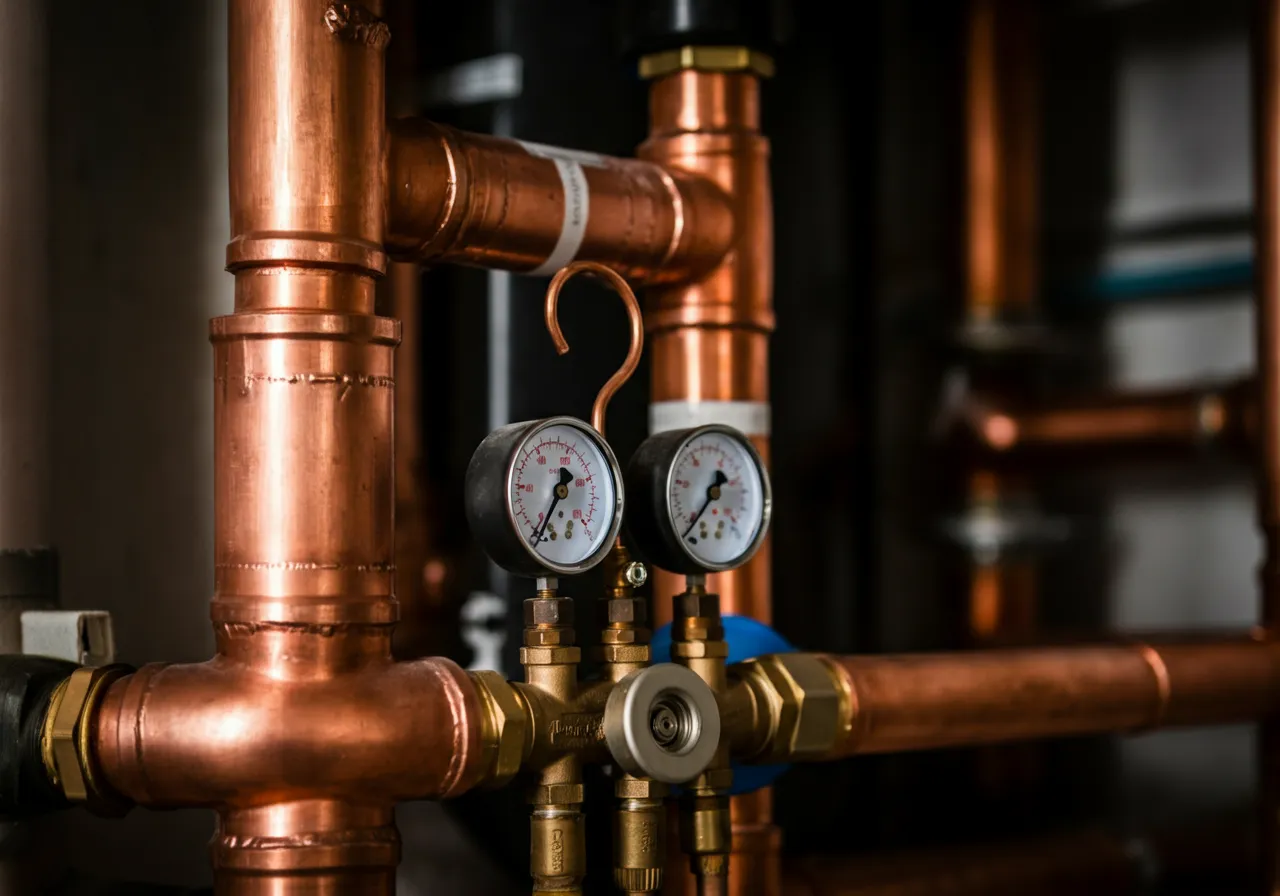
This is the final, vital step. The technician will charge the refrigerant circuit, purge air from the ground loop, and start the system. They will measure pressures, temperatures, and flow rates to ensure everything is operating at peak design efficiency. You should receive a full walkthrough of your new system’s controls.
Signs You’re Ready for Geothermal & What to Watch For
How do you know if this investment is right for you?
- You’re facing a major HVAC replacement: If your old furnace and AC are on their last legs, it’s the perfect time to compare long-term costs.
- You plan to stay in your home 10+ years: You’ll reap the full benefit of energy savings and increased home value.
- You have high heating costs from oil, propane, or electric resistance heat.
- You want to reduce your carbon footprint with a highly efficient, renewable energy technology.
Keeping Your Geothermal System Running Smoothly
One of the best perks is low maintenance. Focus on these simple tasks:
- Change Air Filters Regularly: Just like any forced-air system, a clean filter is crucial for airflow and efficiency.
- Annual Professional Check-up: Have a technician inspect the refrigerant charge, electrical components, and loop pressure annually.
- Keep the Area Clear: Ensure the indoor unit has clearance for airflow and service access.
- Monitor Performance: Note any unusual sounds or changes in comfort, and address them promptly.
Frequently Asked Questions (FAQ)
How much does a geothermal heat pump system cost?
The total installed cost for a residential system typically ranges from $20,000 to $40,000. The ground loop is the major cost variable. While the upfront cost is higher than conventional systems, federal tax credits (currently 30% through 2032) and significant utility bill savings (often 40-70%) make the lifetime cost very competitive. You can learn more about current federal incentives on the U.S. Department of Energy’s Geothermal Heat Pumps page.
Will it work in a cold climate?
Absolutely. In fact, they are exceptionally effective in cold climates. Because they extract heat from the ground (which is much warmer than winter air), they are far more efficient than air-source heat pumps in sub-freezing temperatures. They are the primary heating system for the home, no backup required.
How long does the system last?
The indoor geothermal heat pump unit often lasts 20-25 years. The buried ground loop is incredibly durable, with a lifespan of 50+ years—potentially longer than the house itself. It’s a legacy investment in your property.
The Bottom Line
Installing a ground-source heat pump is a significant project, but it’s one that pays dividends for decades in comfort, stability, and savings. By understanding the process—from the initial site survey to the final commissioning—you can partner effectively with your installer. Start by getting detailed assessments from a few certified geothermal contractors in your area. They can provide you with a clear picture of the costs, the best loop type for your land, and the exact savings you can expect. It’s not just an HVAC upgrade; it’s an upgrade to how your home interacts with the energy around it.